How to Catch Lymphedema Early: A Step-by-Step Guide Before It Gets Worse
How to Catch Lymphedema Early: A Step-by-Step Guide Before It Gets Worse
Most people who develop lymphedema don't catch it early. Not because they aren't paying attention — but because nobody ever taught them what to look for, when to look, or what to do when something feels off.
That's what this guide is for.
If you have a risk factor for lymphedema — cancer treatment, diabetes, obesity, cardiac surgery, COPD, or any condition that affects lymphatic or venous circulation — you are not simply waiting to see whether lymphedema develops. You are in an active window where early detection changes everything. Lymphedema caught at Stage 0 or Stage 1, before visible swelling hardens into permanent tissue changes, is far more responsive to treatment than lymphedema discovered at Stage 2 or 3.
According to the National Comprehensive Cancer Network's Survivorship Guidelines, early detection and early referral are key for optimal lymphedema management because Stages 0 and 1 are reversible, whereas Stages 2 and 3 are less responsive to treatment.
This is your step-by-step roadmap for catching it before it gets terrible.
Why Early Detection Is the Most Important Thing You Can Do
Before the steps, you need to understand one clinical reality that changes how you think about this condition entirely.
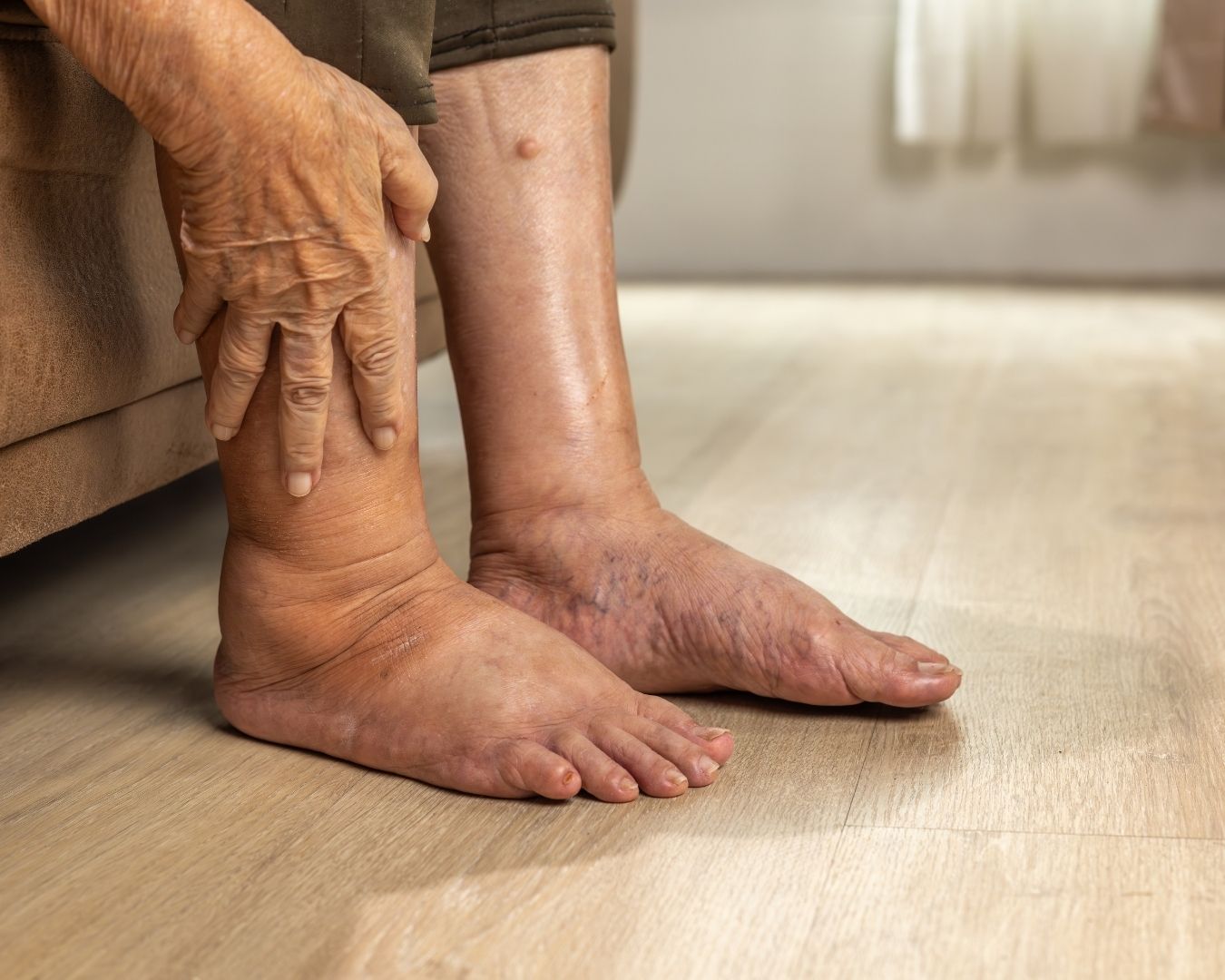
Lymphedema does not announce itself with dramatic swelling. It whispers. It starts as a feeling — heaviness, tightness, a sleeve that doesn't fit quite right. At this stage, called subclinical or Stage 0 lymphedema, there may be zero visible swelling. But the lymphatic system is already compromised, and excess fluid is already beginning to accumulate in the tissue.
The National Lymphedema Network's position statement notes that subclinical lymphedema — often detectable only via limb volume increases of 3 to 5 percent or bioimpedance changes — may be present without any visible swelling or symptoms, and that studies have shown early intervention can reduce the incidence of progression to chronic lymphedema to a range of just 7 to 11 percent.
Without intervention at that subclinical stage, those barely-there signals progress. The fluid becomes protein-rich and stagnant. The tissue begins to fibrose and harden. By the time the limb looks obviously swollen to the naked eye, the window for easy reversal has narrowed considerably.
As one lymphedema specialist and patient advocate put it, by the time you can see even slight swelling visually, you are already behind — the key is detecting change before it becomes visible.
Early detection is not about being anxious. It is about being informed and systematic. Here is how to do that.
Step 1: Know Your Risk Level Before Anything Else
Early detection starts with knowing whether you need to be monitoring in the first place — and how urgently.
Not all risk is equal. Your monitoring frequency and approach should match your actual risk level.
High risk — monitor proactively and consistently:
Cancer treatment involving lymph node removal or radiation (breast, prostate, gynecologic, colorectal, head and neck cancers)
Coronary artery bypass graft (CABG) surgery involving saphenous vein harvesting from the leg
Pelvic or abdominal surgery that may have disrupted lymphatic pathways
Diagnosed chronic venous insufficiency
Moderate risk — monitor regularly and know your baseline:
Obesity (BMI over 30)
Type 2 diabetes with peripheral complications
COPD with lower extremity swelling
Chronic renal insufficiency
Orthopedic surgery involving the groin, hip, or pelvis
Ongoing risk regardless of origin:
Anyone who has had even a single episode of cellulitis in a limb
Anyone who already has lymphedema in one limb (the other limb carries elevated risk)
If you are unsure of your risk category, that is a conversation to have with your physician before implementing any monitoring program. Your doctor can also flag whether a formal clinical surveillance program — including bioimpedance spectroscopy — is appropriate for your situation.
Step 2: Establish Your Personal Baseline
You cannot detect change without knowing what normal looks like for your body. This step is the foundation of everything that follows.
Measure both limbs — even the unaffected one
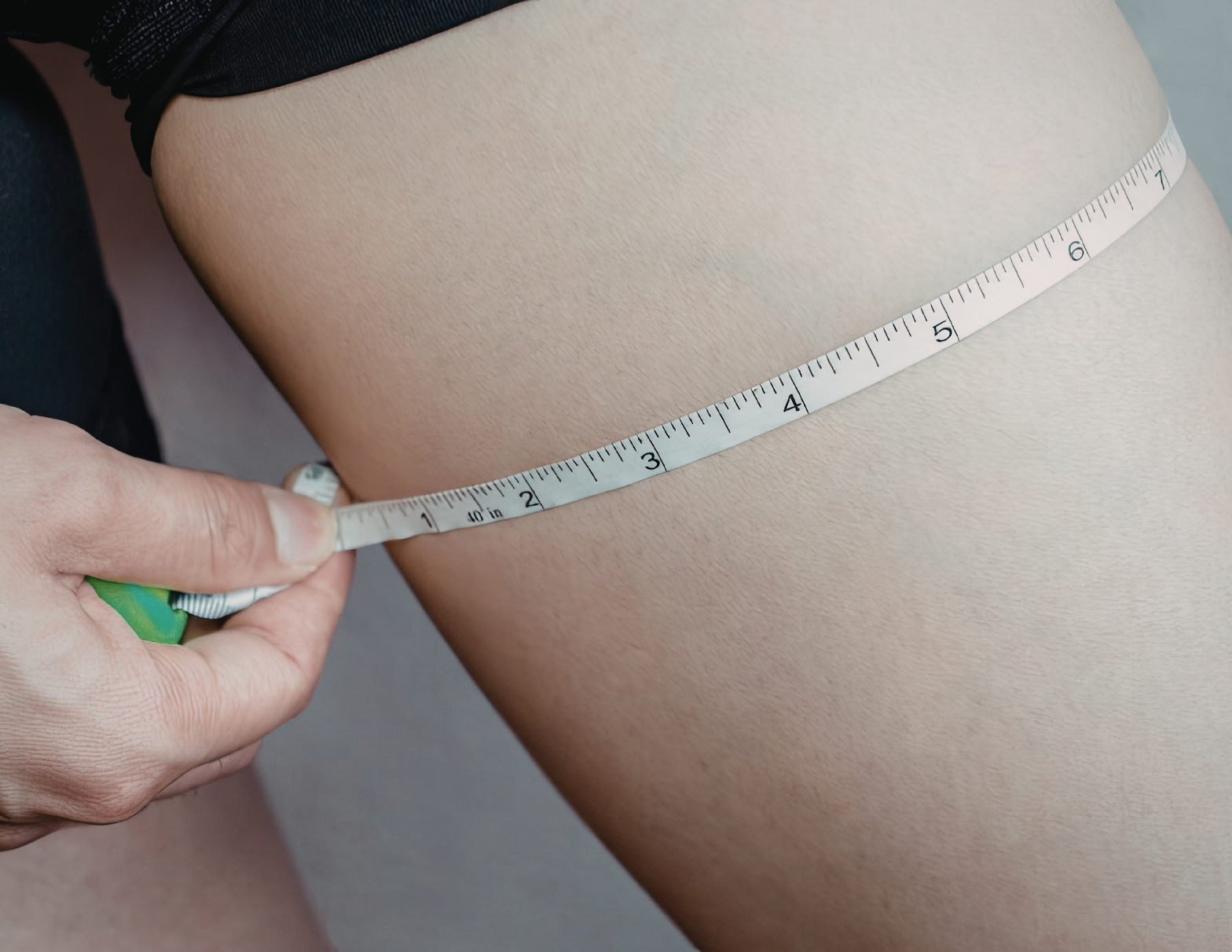
For arm lymphedema risk: measure both arms at the same anatomical points — typically at the wrist, 10 cm below the elbow, at the elbow crease, and 10 cm above the elbow. For leg lymphedema risk: measure both legs at the ankle, at the widest point of the calf, just below the knee, mid-thigh, and just above the knee.
Cancer Research UK notes that clinicians assess lymphedema by taking circumferential limb measurements starting from a fixed anatomical point on the hand or foot, making marks at regular intervals up the arm or leg, and comparing the affected limb against the unaffected one.
Use a soft measuring tape. Record every measurement in a notebook or phone notes app. Date every entry. Consistency matters more than precision — use the same tape, measure at the same anatomical landmarks, and measure at the same time of day every time.
Always measure in the morning
Measuring in the morning reduces diurnal variation — the natural fluctuation in limb size across the day — and ensures the most reliable data for tracking volume over time. Evening measurements will almost always be slightly larger due to gravity and daily activity, which can create false alarms or mask real changes if you're not consistent.
Photograph both limbs
Stand in the same position, same lighting, same distance. Take photographs of both limbs side by side — front, back, and side profile. Date them. These photos become your visual baseline and are genuinely useful if you later need to show a clinician what "normal" looks like for you.
Record your sensory baseline too
Write down how your limb feels right now: any baseline heaviness, any mild tightness, how quickly your skin bounces back when pressed. These subjective baselines matter because sensory changes often precede measurable volume changes.
Step 3: Learn the Five Early Warning Signals
These are the changes you are monitoring for. Understanding them in detail means you recognize them when they appear — rather than dismissing them as nothing.
Signal 1: Asymmetric size difference
A difference of more than 1 to 2 cm in circumference at any measurement point between your two limbs — or a consistent trend of increasing difference over several measurements — warrants medical attention. A single reading that's slightly off is less concerning than a reading that is off and growing.
Signal 2: Heaviness or fatigue in the limb
This is frequently the first symptom that appears. The limb feels heavier than usual, tires more quickly during activity, or feels weighted at rest. Many patients describe it as a subtle drag in the arm or leg that wasn't there before. This feeling can precede any measurable volume change by weeks or months.
Signal 3: Tightness in clothing, jewelry, or shoes
A watch that suddenly feels snug on one wrist but not the other. A sock band that leaves a deeper impression on one leg. A shoe that fits one foot but feels tight on the other. These are early volume changes presenting through the things you wear every day.
Signal 4: Skin texture and temperature changes
Run your hand along both limbs. Changes in skin temperature are a recognized early indicator — research has shown that a difference in local average temperature between limbs may suggest inflammation or increased lymphatic activity before visible swelling appears. Also feel for subtle differences in skin texture — one limb feeling slightly firmer, puffier, or less pliable than the other.
Signal 5: Slow or absent bounce-back on the pitting test
Press your thumb firmly into the skin at the ankle, shin, or forearm for ten seconds. Release. On the at-risk limb, does the skin return to normal as quickly as the other side? Slower bounce-back, or a visible pit that lingers, indicates fluid accumulating in the tissue. This is one of the most accessible physical findings you can check yourself.
Step 4: Build a Consistent Monitoring Routine
Knowing what to look for is only useful if you look regularly. Inconsistent monitoring produces inconsistent data, which makes it impossible to detect a trend before it becomes a problem.
The monitoring schedule that works
For high-risk patients in the first three years post-treatment or post-surgery, a monthly self-measurement is the minimum. Research has shown that patients remain at risk for years after treatment and that those who develop lymphedema without prior subclinical detection are more likely to progress to chronic disease — with the initial nine months after surgery being the most critical monitoring window.
For moderate-risk patients managing a chronic condition, measuring every four to six weeks and noting sensory changes weekly is a reasonable approach.
At every session, check all five early warning signals described in Step 3 and record your measurements.
What to record each session
Keep a simple log — a notebook or notes app works fine. Record the date, time of day, which limb you measured, measurements at each anatomical point, any sensory changes, skin observations, and whether the pitting test showed any difference between sides. Over time, this log becomes a clinical document that your provider can use to make better decisions. Bring it to every appointment.
Consistency beats sophistication
A soft tape measure used at the same landmarks at the same time every month produces more actionable data than occasional measurements taken with advanced equipment. Perometry and water displacement have the highest precision in clinical settings, but tape measure remains the most commonly used method due to its feasibility — and for home monitoring, that feasibility is the entire point.
Step 5: Protect the At-Risk Limb Daily
Monitoring detects change. These daily habits reduce the likelihood of triggering lymphedema in the first place — or flaring it if it is already present at a subclinical level.
Skin care is not optional
The skin is the first line of defense against cellulitis, which is one of the most common triggers of a lymphedema flare. Keep the skin moisturized, clean, and intact. Treat any cuts, scratches, insect bites, or breaks in the skin promptly with antiseptic. Do not let a minor skin injury go unattended.
Avoid sustained pressure and constriction
Tight elastic cuffs, watches, rings, and socks with tight bands can restrict lymphatic flow. For at-risk arms, avoid blood pressure cuffs and blood draws on that limb when possible — though clinical guidelines note the evidence for absolute avoidance is less definitive than once thought, and your physician should guide this decision for your specific situation.
Compression during strenuous activity
Self-care guidelines from UNC recommend supporting the at-risk limb with an appropriate compression garment during strenuous activity including weight lifting, prolonged standing, running, and repetitive physical tasks such as gardening, to reduce the fluid load on a compromised lymphatic system. This is not the same as therapeutic compression prescribed for diagnosed lymphedema — it is a precautionary measure during higher-risk activity. Speak with your provider about appropriate compression levels for your situation.
Elevation after prolonged activity
After extended periods of standing, sitting, or physical exertion, elevate the at-risk limb above the level of your heart for 20 to 30 minutes. For leg lymphedema risk, lie down and prop the legs on pillows. For arm lymphedema risk, rest the arm on an elevated surface or use a wedge pillow. This encourages passive lymphatic drainage and reduces overnight fluid accumulation.
Maintain a healthy weight
Research has consistently shown that obesity worsens lymphatic function, reduces lymphatic vessel pumping capacity, and creates a self-reinforcing cycle of fluid accumulation and further lymphatic damage. Weight management is one of the most modifiable risk factors for both developing and worsening lymphedema — and one of the most impactful things a patient can do independently.
Step 6: Know When to Stop Monitoring and Start Acting
Self-monitoring is not a substitute for clinical care. It is a tool for catching changes early enough to make clinical intervention effective. Here is exactly when to stop waiting and contact your healthcare provider.
Contact your doctor or lymphedema specialist promptly when:
Circumferential measurements show a difference greater than 2 cm at any point compared to baseline or the opposite limb
You notice a consistent increase in measurements over two or more monitoring sessions
The pitting test shows a clear, persistent difference between limbs
You experience new heaviness, tightness, or a feeling of fullness that persists for more than two to three days
Clothing, jewelry, or shoes feel consistently tighter on one side
Any skin changes appear — redness, warmth, unusual firmness, or texture changes
Seek same-day medical care when:
The limb becomes suddenly and significantly more swollen
You develop redness, streaking, warmth, or fever alongside swelling — these are signs of cellulitis or lymphangitis, which can spread rapidly and require immediate antibiotic treatment
You experience chest pain, shortness of breath, or one-sided leg swelling that appears suddenly — possible signs of deep vein thrombosis or pulmonary embolism
At your clinical appointment, bring your measurement log and photos. Describe exactly when the changes started, what they feel like, and how they have evolved. This information accelerates diagnosis and eliminates the guesswork that often delays proper treatment. Ask specifically for a referral to a certified lymphedema therapist (CLT) if your physician does not already have one in your care team.
Step 7: What Early Intervention Actually Looks Like
If changes are caught at Stage 0 or Stage 1 — before visible swelling or with only mild reversible swelling — the treatment approach is significantly less intensive than what is required for advanced lymphedema.
Compression garments
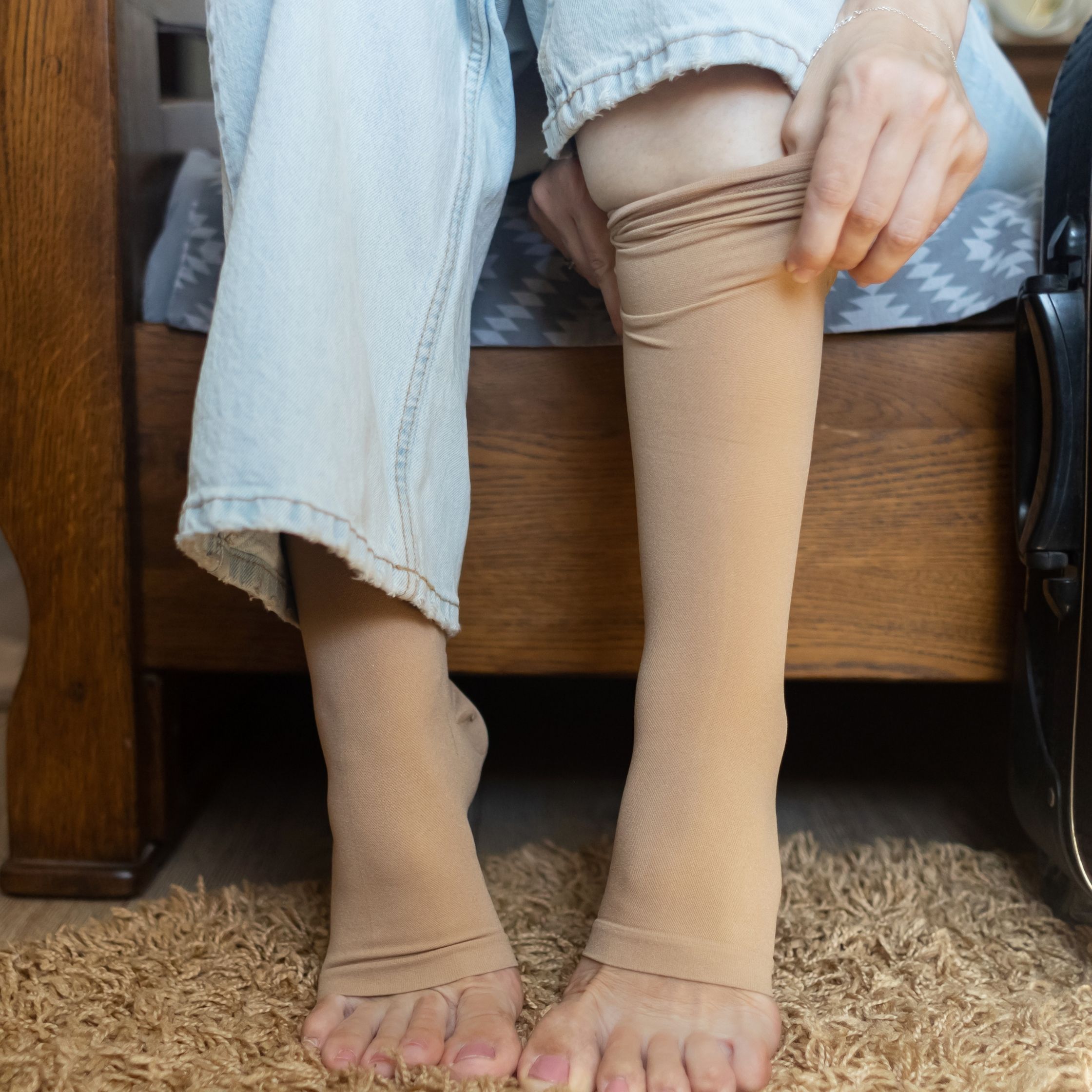
The first-line early intervention for subclinical or Stage 1 lymphedema is a properly fitted compression garment. Compression garments at this early stage can reduce swelling by 40 to 60 percent, and in many cases prevent progression to more advanced stages entirely. The garment must be properly sized by a trained professional — a poorly fitted garment creates pressure in the wrong direction and can worsen the condition. At MCB DME, we provide professional compression fittings for patients at every stage of lymphedema, from precautionary to therapeutic. Explore our compression garment services.
Manual lymphatic drainage
Manual lymphatic drainage (MLD) is a specialized massage technique performed by a certified lymphedema therapist that stimulates the lymphatic vessels and reroutes fluid around the damaged area. For early-stage lymphedema, a course of MLD with a CLT — combined with self-drainage techniques the therapist can teach you — is often sufficient to stabilize the condition.
Pneumatic compression pumps
For patients with confirmed lymphedema that requires more sustained support, a pneumatic compression pump provides mechanical assistance that mimics the pumping function of healthy lymph nodes. These devices are covered by Medicare and most insurance plans when medically prescribed. The earlier they are introduced, the more effective they are at preventing fibrotic changes that make the condition harder to manage over time.
Exercise
Gentle, progressive exercise — particularly deep breathing, walking, swimming, and limb-specific movement — stimulates natural lymphatic flow and supports drainage. The key is gradual progression: start gently, monitor the limb during and after activity for any response, and increase intensity slowly over time.
Common Mistakes That Allow Lymphedema to Progress
Understanding what goes wrong helps you avoid it.
Waiting for visible swelling to appear. By the time you can see it clearly, you have already missed the easiest intervention window. The whole point of this guide is to catch it before that.
Measuring inconsistently. Measuring your right leg in the morning one month and the evening the next month produces data that is not comparable. Consistency in timing, method, and anatomical landmarks is what makes self-monitoring meaningful.
Dismissing sensory symptoms as "just" something else. Heaviness dismissed as tiredness. Tightness dismissed as weight gain. Aching dismissed as aging. These are the most common ways early lymphedema is missed — not because the signals weren't there, but because they were explained away.
Assuming it won't happen because it hasn't yet. Lymphedema can develop years after a triggering event — cancer surgery, CABG, radiation therapy. The risk does not expire after one year. Some patients develop lymphedema a decade after their treatment. Ongoing monitoring is a lifelong practice for anyone with a significant risk factor.
Relying only on clinic visits to catch changes. Clinical appointments happen every few months at best. The changes that matter most happen between appointments. Self-monitoring bridges that gap.
Frequently Asked Questions About Early Lymphedema Detection
How often should I measure my limbs at home?
For high-risk patients — particularly those in the first three years after cancer treatment or cardiac surgery — monthly measurements are the recommended minimum. For moderate-risk patients managing chronic conditions, every four to six weeks is appropriate. Sensory self-checks (heaviness, tightness, bounce-back) can be done weekly with very little time investment.
What is a normal difference between my two limbs?
No two limbs are perfectly equal. A difference of up to 1 cm at a given measurement point can fall within normal variation, particularly if your dominant arm or leg has always been slightly larger. What matters is change from your own baseline, and asymmetric growth over time. This is why establishing your personal baseline before any changes occur is so important.
Can I catch lymphedema before it's visible?
Yes — and this is the goal. Subclinical lymphedema (Stage 0) involves no visible swelling at all, yet the lymphatic system is already compromised and fluid is accumulating at the tissue level. The sensory symptoms described in this guide — heaviness, tightness, slower bounce-back — can appear weeks to months before the limb looks different to the eye. Clinical tools like bioimpedance spectroscopy can detect fluid changes even earlier than physical examination. Bioimpedance spectroscopy technology can detect as little as 2.4 tablespoons of fluid difference between limbs, allowing clinical intervention before any visible swelling occurs.
What is the Stemmer sign and should I know it?
The Stemmer sign is a clinical test in which the examiner attempts to pinch and lift the skin at the base of the second toe or finger. If the skin cannot be lifted or pinched — it feels thick and tethered — this is a positive Stemmer sign, considered a reliable physical indicator of lymphedema. A negative Stemmer sign does not rule out lymphedema, but a positive one is clinically significant. This is a test your provider will likely perform; you can also become familiar with checking it yourself over time as a baseline reference.
Does catching lymphedema early mean it can be cured?
Lymphedema has no cure, but Stage 0 and Stage 1 lymphedema are considered reversible with appropriate treatment — meaning they can be managed to the point where symptoms are absent or minimal and progression is halted. The clinical literature is consistent on this point: earlier intervention produces better long-term outcomes. The National Lymphedema Network's patient resources page provides comprehensive guidance on what surveillance and management look like across different stages.
Who should I see when I think something has changed?
Start with your primary care physician or oncologist, describe your findings and your monitoring log, and specifically request a referral to a certified lymphedema therapist (CLT). A CLT is trained to perform a full clinical assessment — including circumferential measurements, volume calculations, pitting tests, skin assessment, and functional evaluation — and will determine whether formal treatment is indicated. You can also contact MCB DME directly. Our team works with patients and their clinical teams throughout New Jersey to provide equipment support, insurance verification, and guidance on next steps. Visit our patients page or call us at (973) 553-0777.
Does Medicare cover early-stage lymphedema treatment?
Medicare covers medically necessary lymphedema treatment including compression garments and pneumatic compression devices when properly prescribed by a physician. Coverage for early-stage intervention depends on documented diagnosis and medical necessity. Our team handles insurance verification and prior authorizations directly, so patients can focus on their health. Contact our team for a free benefits check.
Key Takeaways
Lymphedema caught at Stage 0 or Stage 1 is reversible — Stage 2 and Stage 3 are not
Self-monitoring starts with establishing a personal baseline before any changes occur
Measure both limbs at the same anatomical points, at the same time of day, consistently — always in the morning
The five early warning signals are: asymmetric size difference, limb heaviness or fatigue, tightness in clothing or jewelry, skin temperature or texture changes, and slow bounce-back on the pitting test
Protect the at-risk limb daily through skin care, appropriate compression during activity, elevation after exertion, and weight management
Contact your doctor promptly when measurements deviate more than 2 cm from baseline, when symptoms persist beyond two to three days, or when skin changes appear
Seek same-day care for sudden swelling, redness with fever, or any signs of cellulitis or deep vein thrombosis
Self-monitoring does not replace clinical care — it makes clinical care more effective by getting you there sooner
Next Steps: How MCB DME Can Help
If you are at risk for lymphedema and want to ensure you have the right tools and clinical support in place, MCB DME is here to help at every step.
We serve patients and healthcare providers throughout New Jersey from our Hawthorne location, specializing in:
Lymphedema pumps — pneumatic compression devices for confirmed lymphedema, covered by Medicare and most insurance plans
Compression garments — professionally measured and fitted stockings, arm sleeves, and wraps for both precautionary and therapeutic use
Diabetic and orthopedic footwear — for patients managing diabetes alongside lymphedema risk
Arterial compression therapy — for patients with peripheral arterial disease contributing to lower extremity swelling
Insurance verification and billing support — we work directly with Medicare and commercial insurance so you don't have to manage the paperwork
Healthcare providers referring patients for lymphedema-related DME can visit our providers page for referral information and prior authorization support. To get started as a patient, visit our patients page or call us at (973) 553-0777.
Related Topics You May Find Helpful
How Do You Know You Have Lymphedema? Signs, Symptoms & What to Do
What Is Lymphedema and Why Do I Have It: A Comprehensive Guide
Lymphedema Diet Guide: Anti-Inflammatory Foods & Nutrition Tips
About MCB DME
MCB DME is a durable medical equipment provider based in Hawthorne, New Jersey, dedicated to improving patient outcomes through clinically appropriate, insurance-covered medical equipment. We specialize in lymphedema management, compression therapy, diabetic footwear, arterial pumps, bracing, and prosthetics — serving patients and healthcare providers throughout New Jersey. Our team handles insurance verification, prior authorizations, and billing directly.
This article is for educational purposes only and does not constitute medical advice. Always consult a qualified healthcare provider for diagnosis and treatment of medical conditions.