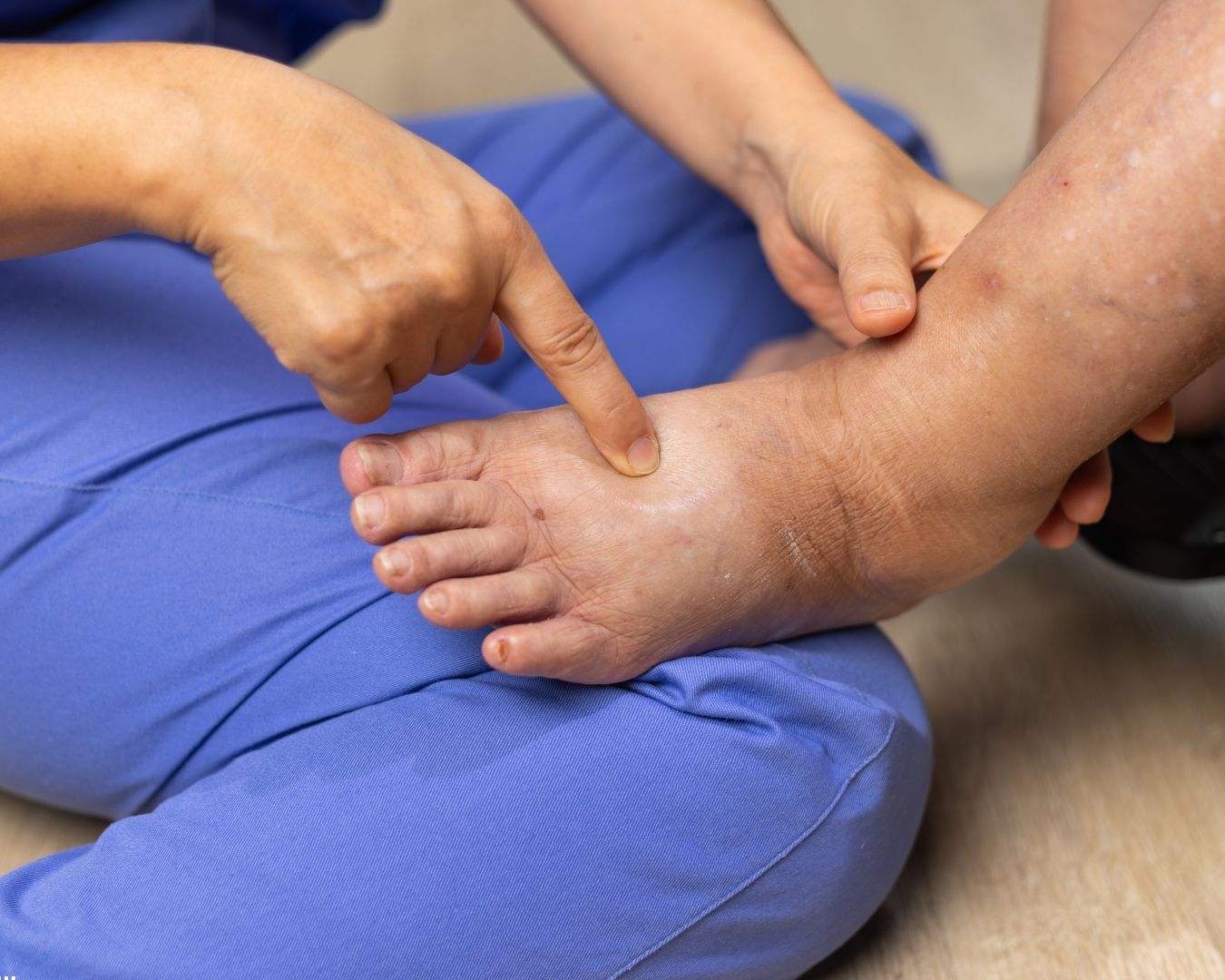
How Do I Know If I Have Lymphedema? Signs & Self-Check
You've noticed swelling that won't go down, a ring or sock that suddenly feels tight, or one limb that looks bigger than the other, and now you're wondering: is this lymphedema?
The short answer: Lymphedema is swelling caused by lymph fluid that isn't draining properly, most often in an arm or a leg. The earliest signs are subtle, a feeling of heaviness or tightness, swelling that comes and goes, or clothing and jewelry that no longer fit the same. A quick at-home check (the Stemmer sign, described below) can give you a useful clue, but only a clinician can diagnose lymphedema. The most important thing to know is that early lymphedema is far easier to manage than advanced lymphedema, so persistent swelling is worth getting checked rather than waiting.
This guide walks through the real early signs, a simple self-check you can do in two minutes, how to tell lymphedema apart from ordinary swelling, and the point at which you should call a doctor.
This article is for anyone noticing new or ongoing swelling, people who've had cancer surgery or radiation, and caregivers who want to know what to watch for. If you'd rather just ask, Lumi, our 24/7 chatbot, is at the bottom right of every page on mcbdme.com, and you can learn about our care options on our lymphedema therapy page.
The Quick Answer (for the patient skimming on their phone)
Most common early signs: a heavy or tight feeling in a limb, swelling that comes and goes, and clothes, shoes, rings, or watches that fit more tightly than usual.
A useful at-home clue: the Stemmer sign — if you can't pinch and lift the skin at the base of your second toe or finger, that's a positive sign and worth mentioning to your doctor.
A telling pattern: swelling that's worse in one limb than the other, or that doesn't fully go away overnight.
When to see a doctor: any persistent swelling in an arm or leg, especially after cancer treatment, lymph node removal, or radiation.
See a doctor urgently if a limb becomes suddenly red, warm, and painful, or you develop a fever — that can signal a skin infection (cellulitis), which needs prompt care.
The good news: caught early, lymphedema is very manageable with compression and other therapies.
Everything below explains each of these in plain terms.
What Lymphedema Actually Is
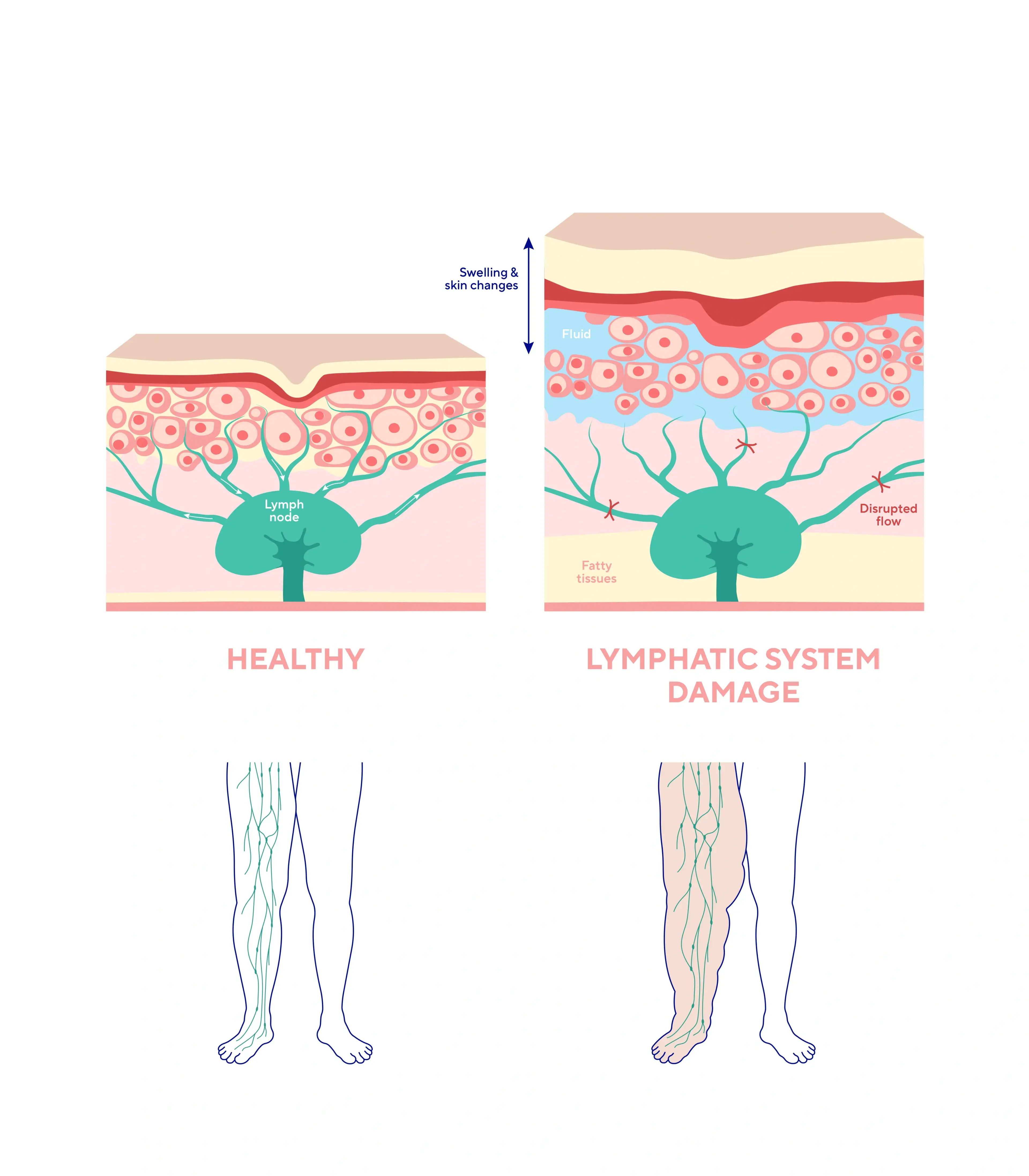
Lymphedema is tissue swelling that happens when protein-rich lymph fluid, which normally drains through your lymphatic system, builds up instead. According to Cleveland Clinic, it most often affects the arms and legs, but it can show up in the chest wall, abdomen, neck, or genitals.
There are two broad types. Primary lymphedema is rare and inherited, and can appear in infancy, around puberty, or in adulthood. Secondary lymphedema is far more common and develops because something damaged the lymphatic system, most often cancer surgery that removed lymph nodes, radiation therapy, trauma, infection, or chronic conditions that strain fluid balance. Mayo Clinic notes that lymphedema caused by cancer treatment may not appear until months or even years later, which is one reason it catches people off guard.
If you want the fuller background, we cover it in What Is Lymphedema?
The Early Signs Most People Miss
In the earliest stage, lymphedema can be present before you see obvious swelling. Cleveland Clinic describes a Stage 0 in which the limb already feels swollen, tight, and heavy with no visible outside signs. That's why what you feel matters as much as what you see.
Watch for these early signals:
A heavy, full, or tight feeling in an arm or leg, even when it doesn't look much bigger.
Swelling that comes and goes — puffy by evening, better after a night's sleep, then back again.
Clothing, shoes, rings, or a watch that fit more tightly than they used to on one side.
Skin that looks puffy or slightly stretched, or veins and tendons in your hand or foot that you can no longer see or feel clearly.
One limb that looks or measures slightly larger than the other.
A feeling of tightness or reduced flexibility in a nearby joint.
Aching, burning, or itching in the affected area.
Signs can range from mild to severe, and they often start at the part of the limb farthest from the body, the fingers, toes, foot, or ankle.
A Simple At-Home Self-Check (2 minutes)
None of these replace a clinician's exam, but they help you decide whether to make the call.
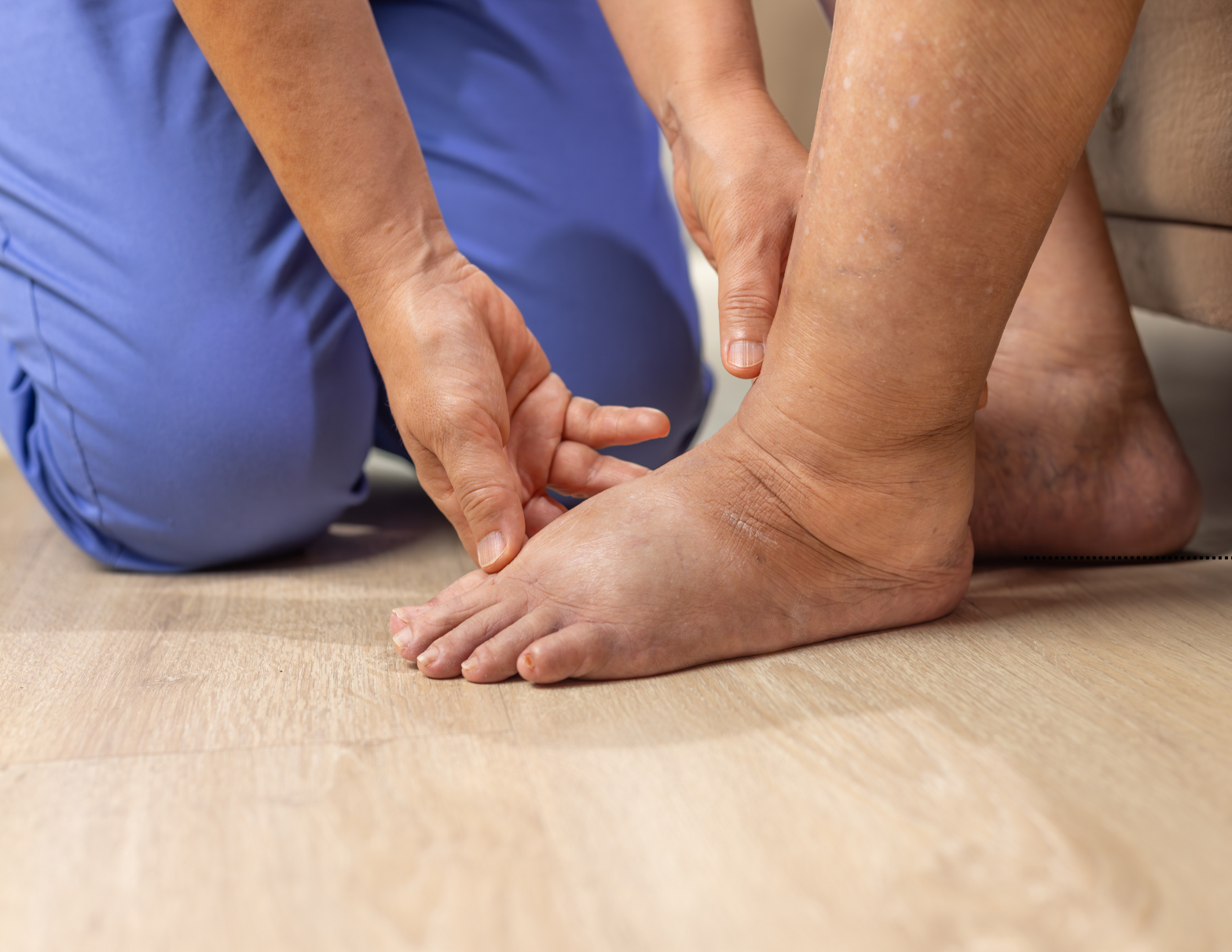
1. The Stemmer sign. Try to gently pinch and lift a fold of skin at the base of your second toe (or second finger). On a healthy limb you can pick up the skin easily. If the skin is too thick and tight to pinch and lift, that's a positive Stemmer sign, a recognized clue that points toward lymphedema. A positive result is meaningful; a negative result doesn't fully rule it out.
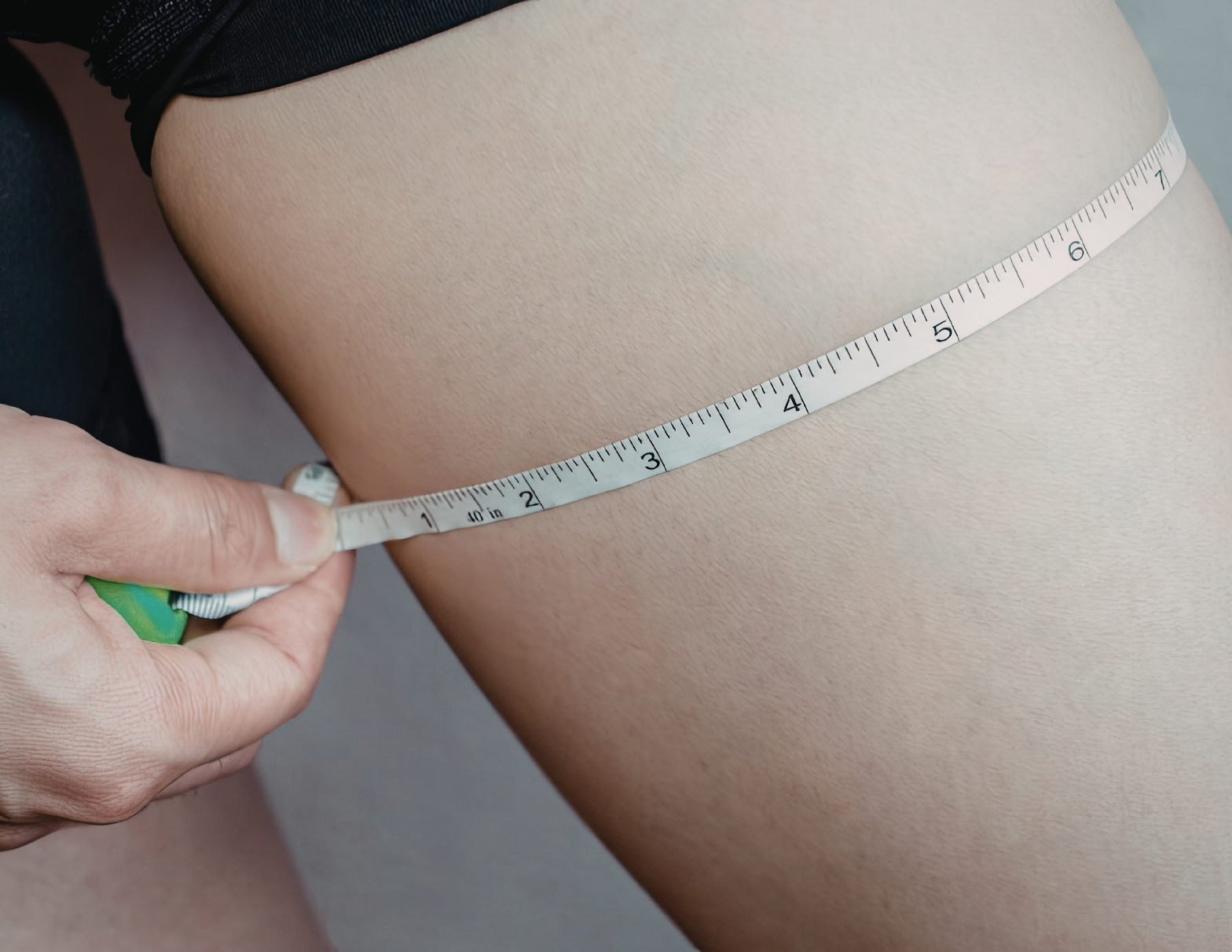
2. Compare left to right. Look at and feel both limbs side by side. Lymphedema frequently affects one side more than the other, so a visible or measurable difference is worth noting.
3. The sock-and-jewelry test. Notice whether socks leave deep indentations, or whether a ring, watch, or shoe has gotten tight on one side over recent weeks.
4. The overnight test. Note whether the swelling fully resolves after a night of rest and elevation. Early lymphedema often improves overnight; as it progresses, swelling becomes more constant.
5. The press test. Gently press a thumb into the swollen area for a few seconds. Whether the dent stays (pitting) or springs back (non-pitting) is information your clinician will want, since it helps distinguish among causes of swelling.
Write down what you find, including which limb, how long it's been going on, and any history of cancer treatment or surgery, and bring it to your appointment.
Lymphedema vs. "Normal" Swelling: How to Tell the Difference
Not all swelling is lymphedema. Swollen legs can come from being on your feet all day, heat, pregnancy, a high-salt day, certain medications, venous problems, heart or kidney conditions, or a blood clot. A few patterns help separate them:
Lymphedema tends to be persistent or progressive, is often one-sided, frequently involves the foot and toes (or hand and fingers), and brings that characteristic heavy, tight feeling. A positive Stemmer sign points toward it.
Everyday or venous swelling is more likely to affect both legs, ease overnight or with elevation, and lack the skin-thickening of lymphedema.
Lipedema is a different condition (an abnormal buildup of fat, usually symmetric and sparing the feet) that's often confused with lymphedema and sometimes occurs alongside it.
Because the causes overlap and can be serious, the safe move is to let a clinician sort it out. We dig into the look-alikes in Why Are My Legs Swollen? and the lymphedema/venous overlap in Managing Lymphedema and Chronic Venous Insufficiency.
What This Self-Check Is NOT
It is not a diagnosis. A positive Stemmer sign or a size difference is a reason to get evaluated, not a verdict. Diagnosis may involve a clinical exam and, in some cases, imaging.
It is not a reason to panic. Early, well-managed lymphedema rarely limits daily life. The earlier it's addressed, the simpler the care.
It is not a substitute for urgent care when warranted. Sudden redness, warmth, pain, or fever in a swollen limb is a possible infection and needs prompt medical attention, not a self-check.
When to See a Doctor
Make an appointment if you have persistent swelling in an arm or leg, particularly if you've had cancer surgery, lymph node removal, or radiation. Mayo Clinic advises seeing your doctor about any persistent limb swelling, and, if you already have a lymphedema diagnosis, about any sudden, dramatic increase in the size of the limb.
Seek prompt care if a swollen limb becomes red, warm, and tender, or you run a fever. Trapped lymph fluid makes the skin more prone to infection (cellulitis), which can escalate and, untreated, lead to more serious illness. Acting early protects both the limb and your overall health.
Catching it early genuinely matters, which is the whole point of our companion guide, How to Catch Lymphedema Early.
Frequently Asked Questions
How do I know if I have lymphedema? Look for persistent swelling in an arm or leg, a heavy or tight feeling, and clothing or jewelry that fits more tightly on one side. A positive Stemmer sign, when you can't pinch and lift the skin at the base of a toe or finger, is a useful clue. Only a clinician can confirm the diagnosis, so persistent swelling should be evaluated.
What are the early signs of lymphedema? The earliest signs are often a sensation of heaviness or tightness, swelling that comes and goes, reduced flexibility in a nearby joint, and a limb that looks or measures slightly larger than the other. Visible swelling may come later.
What is the Stemmer sign? It's a simple check: try to pinch and lift the skin at the base of your second toe or finger. If the skin is too thick to pinch up, that's a positive Stemmer sign and is associated with lymphedema. A positive sign is meaningful, but a negative one doesn't completely rule lymphedema out.
Can lymphedema go away on its own? Lymphedema is a chronic condition that providers manage rather than cure. The encouraging part is that early lymphedema responds well to treatment such as compression, and managing it early helps prevent it from progressing.
How is lymphedema different from regular swelling? Lymphedema tends to be persistent or progressive, is often one-sided, commonly involves the foot and toes or hand and fingers, and carries a heavy, tight feeling with eventual skin thickening. Everyday swelling more often affects both legs and eases with rest and elevation. Because causes overlap, a clinician should make the call.
Should I see a doctor for swelling in one leg? Yes. Persistent swelling in one limb is worth evaluating, especially after cancer treatment or surgery. And if that limb becomes suddenly red, warm, painful, or you develop a fever, seek care promptly, as that can indicate infection.
How is lymphedema diagnosed? Usually through a clinical history and physical exam, sometimes supported by imaging such as ultrasound, MRI, or CT to look at fluid drainage or rule out other causes. Your description of when the swelling started and how it behaves is an important part of that picture.
Key Takeaways
The earliest signs of lymphedema are felt more than seen: heaviness, tightness, swelling that comes and goes, and a tighter fit on one side.
The Stemmer sign is a quick, meaningful at-home clue, but it's not a diagnosis.
Lymphedema is often one-sided and tends to involve the foot and toes or hand and fingers, which helps distinguish it from everyday swelling.
Persistent limb swelling deserves a clinical evaluation, especially after cancer surgery, lymph node removal, or radiation.
Sudden redness, warmth, pain, or fever in a swollen limb needs prompt care.
Early lymphedema is very manageable, so getting checked sooner makes treatment simpler.
Next Steps
If a self-check has you concerned, the next step is a professional evaluation, and if lymphedema is confirmed, MCB DME can help with the compression therapy and equipment that keep it controlled.
Patients: Learn about your options on our lymphedema therapy page and our compression therapy overview, or contact our team with questions. For quick answers, ask Lumi (24/7 chatbot, bottom right of every page on mcbdme.com).
Referring clinicians: Visit our providers page for referral and documentation support when a patient's exam points toward lymphedema.
Related Resources:
External references (authoritative sources):
MCB DME is a durable medical equipment provider based in Hawthorne, New Jersey, specializing in lymphedema management, compression therapy, arterial compression, bracing, diabetic and orthopedic footwear, and prosthetics. MCB DME is a Medicare-enrolled DMEPOS supplier and bills Medicare, Medicaid, and most commercial insurance plans directly for covered items.
Disclaimer: This article is for educational purposes only and is not a substitute for professional medical advice, diagnosis, or treatment. Always consult a qualified clinician about your individual symptoms. If you have signs of infection or another urgent problem, seek medical care promptly.