
Managing Your Lymphedema and Chronic Venous Insufficiency: A Complete Guide to Understanding Your Diagnosis and Insurance Coverage
Receiving a diagnosis of lymphedema or chronic venous insufficiency (CVI) can feel overwhelming, especially when you're trying to understand what caused the condition and how to manage it effectively. If you're asking yourself "Why do I have this horrible condition?" or wondering what treatment options your insurance actually covers, you're not alone—millions of Americans are navigating these same questions.
This comprehensive guide will help you understand your diagnosis, explain the groundbreaking Lymphedema Treatment Act that changed insurance coverage in 2024, and provide practical strategies for managing your condition. Whether you're dealing with lymphedema, chronic venous insufficiency, or both conditions simultaneously, this guide offers the essential information you need to take control of your health.
Understanding Your Diagnosis: What is Lymphedema?
Lymphedema is a chronic condition characterized by persistent swelling, most commonly in the arms and legs, that occurs when your lymphatic system cannot properly drain lymph fluid from your tissues. Your lymphatic system is a critical network of vessels, nodes, and ducts that normally collect excess fluid, proteins, and waste products from your cells and return them to your bloodstream.
When this drainage system is compromised, lymph fluid accumulates in the surrounding tissues, causing the characteristic swelling and discomfort associated with lymphedema. According to the National Center for Biotechnology Information, lymphedema affects approximately 3 to 5 million Americans and can significantly impact quality of life if left untreated.

The lymphatic system: A network of vessels and nodes responsible for fluid drainage throughout the body
Why Do I Have Lymphedema? Understanding the Causes
One of the most common questions people ask after receiving a lymphedema diagnosis is: "Why did this happen to me?" Understanding the root cause of your condition is crucial for effective management and preventing further progression.
Primary Lymphedema: When It's Genetic
Primary lymphedema is a rare genetic condition affecting approximately 1 in 100,000 people in the United States. This type occurs when your lymphatic system doesn't develop properly from birth or is missing certain components due to genetic mutations. Primary lymphedema can manifest at different life stages:
Congenital: Present at birth
Praecox: Develops during adolescence (most common form)
Tarda: Appears in adulthood, typically after age 35
If you have primary lymphedema, genetic testing can help identify specific mutations and guide your treatment approach.
Secondary Lymphedema: The Most Common Type
Secondary lymphedema is far more prevalent, affecting approximately 1 in 1,000 Americans. This type develops when your previously healthy lymphatic system becomes damaged, blocked, or overwhelmed. The most common causes include:
Cancer Treatment: This is the leading cause of secondary lymphedema in developed countries. Surgical removal of lymph nodes, radiation therapy, and tumor infiltration can all damage your lymphatic system. Breast cancer treatment carries particularly high risk, but gynecologic, genitourinary, and head and neck cancers also frequently result in lymphedema.
Surgery: Any surgical procedure that removes or damages lymph nodes or vessels can trigger lymphedema. The condition may appear immediately after surgery or develop months to years later.
Radiation Therapy: Radiation can damage lymphatic vessels, impairing their ability to drain fluid properly from affected areas.
Infection: Worldwide, lymphatic filariasis (a parasitic infection) is the leading cause of lymphedema. Other infections that damage the lymphatic system can also contribute to the condition.
Trauma or Injury: Deep cuts, bruises, burns, or sports injuries that damage lymphatic vessels may result in lymphedema.
Obesity: Excess weight puts additional pressure on your lymphatic system and is a significant risk factor for developing lymphedema.
Venous Insufficiency: Chronic problems with your veins can overload your lymphatic system over time, eventually causing lymphedema.
Important Note: Not everyone exposed to these risk factors develops lymphedema. However, understanding your specific risk factors helps you take preventive measures and recognize early warning signs.
What is Chronic Venous Insufficiency?
Chronic venous insufficiency (CVI) is a related but distinct condition that occurs when the veins in your legs cannot efficiently pump blood back to your heart. Normally, one-way valves in your leg veins prevent blood from flowing backward. When these valves become weak or damaged, blood pools in your legs, creating increased pressure in your veins.
According to Cleveland Clinic, CVI affects approximately 150,000 new patients each year in the United States, contributing to nearly $500 million in annual healthcare costs. Left untreated, CVI can progress to serious complications including venous ulcers and skin infections.

Chronic venous insufficiency causes blood to pool in leg veins, leading to swelling, skin changes, and discomfort
Why Do I Have Chronic Venous Insufficiency?
CVI develops when the valves in your leg veins become damaged or weakened. Common causes include:
Blood Clots (Deep Vein Thrombosis): A history of blood clots can permanently damage vein valves, even after the clot resolves
Prolonged Standing or Sitting: Extended periods without movement increase pressure in leg veins, weakening valves over time
Pregnancy: Hormonal changes and increased blood volume can stress vein valves
Obesity: Excess weight puts additional pressure on leg veins
Lack of Exercise: Physical inactivity reduces the calf muscle pump that helps move blood up from the legs
Age: Vein valves naturally weaken with age, making CVI more common in people over 50
Family History: Genetic factors can predispose some individuals to weak vein valves
Can You Have Both Lymphedema and Chronic Venous Insufficiency?
Yes, it's possible and actually quite common to have both conditions simultaneously—a situation called phlebolymphedema. When CVI goes untreated, the chronic venous pressure can eventually overwhelm your lymphatic system, leading to secondary lymphedema. This combination requires careful management to address both the venous and lymphatic components of your swelling.
Recognizing Symptoms: Lymphedema vs. Chronic Venous Insufficiency
While both conditions cause leg swelling, their symptoms differ in important ways:
Lymphedema Symptoms:
Swelling in arms, legs, hands, feet, or other body areas
Feeling of heaviness or fullness in affected limbs
Restricted range of motion or joint stiffness
Aching or discomfort
Difficulty fitting into clothing or jewelry
Skin changes: thickening, hardening, or discoloration
Recurring infections (cellulitis) in affected areas
Chronic Venous Insufficiency Symptoms:
Achy, tired, or heavy legs, especially after standing
Swelling that improves with leg elevation
Varicose veins or visible spider veins
Skin discoloration (brownish patches near ankles)
Itching around affected veins
Leg cramping at night
Skin that appears shiny, tight, or leathery
Open sores or ulcers that are slow to heal
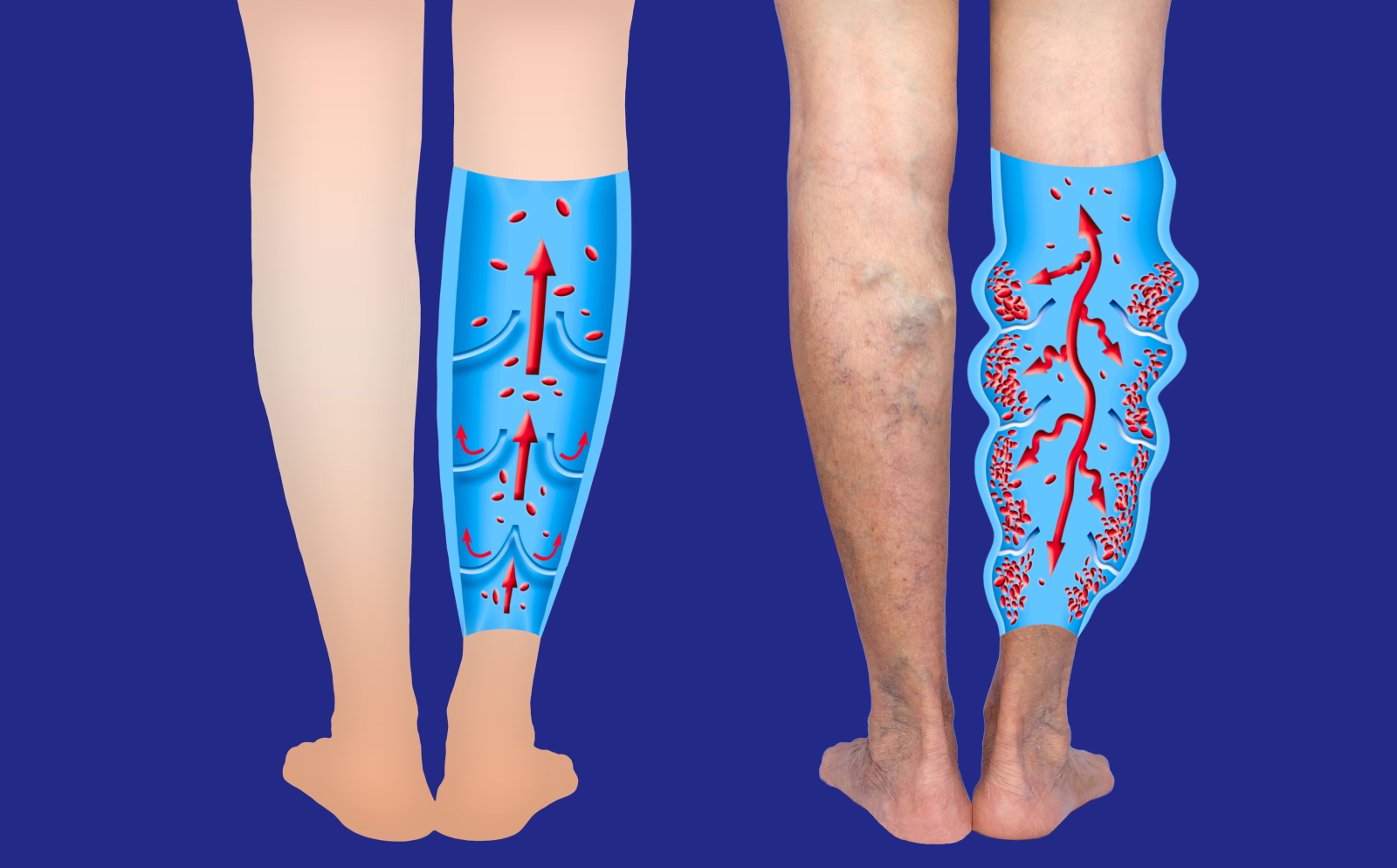
Understanding the differences between lymphedema and chronic venous insufficiency symptoms helps guide appropriate treatment
The Lymphedema Treatment Act: A Game-Changer for Insurance Coverage
For years, patients with lymphedema faced significant financial barriers to accessing essential compression supplies. Despite compression therapy being the cornerstone of lymphedema management, Medicare and most private insurance plans did not cover doctor-prescribed compression garments and supplies—forcing patients to pay out-of-pocket for treatments they needed daily.
What is the Lymphedema Treatment Act?
The Lymphedema Treatment Act (LTA) is a federal law passed on December 23, 2022, and implemented on January 1, 2024, that fundamentally changed Medicare coverage for lymphedema treatment supplies. After more than a decade of advocacy led by the Lymphedema Advocacy Group and its founder Heather Ferguson, Congress finally amended the Medicare statute to recognize compression supplies as covered Durable Medical Equipment (DME).
This landmark legislation was championed by Representatives Jan Schakowsky (IL-09) and Earl L. "Buddy" Carter (GA-01) and received bipartisan support from hundreds of members of Congress. The passage of the LTA represented a monumental victory for the lymphedema community, acknowledging that compression supplies are not a luxury but a medical necessity.
What Does the Lymphedema Treatment Act Cover?
Under the Lymphedema Treatment Act, Medicare Part B now covers:
Compression Garments:
Daytime compression garments: Up to 3 garments per affected body part every 6 months (sleeves, stockings, gloves)
Nighttime compression garments: Up to 2 garments per affected body part every 2 years
Both standard-sized and custom-fitted garments are covered when medically necessary
Lymphedema Bandaging Supplies:
Short-stretch bandages
Foam padding materials
Gauze and tubular bandaging
Other bandaging supplies prescribed as part of Complete Decongestive Therapy
Compression Accessories:
Donning aids (devices that help you put on compression garments)
Garment liners
Other medically necessary accessories
Coverage Details:
You must have a Medicare Part B diagnosis of lymphedema (ICD-10 codes: I89.0, Q82.0, I97.2, I97.89)
Your doctor must document a plan of care and provide a signed prescription
After meeting your annual Part B deductible ($240 in 2024), you pay 20% of the Medicare-approved amount
Medicare covers the remaining 80% of costs
Supplies must be obtained from an enrolled Medicare DMEPOS supplier

The Lymphedema Treatment Act now covers a wide range of compression garments and supplies for Medicare beneficiaries
What the Lymphedema Treatment Act Does NOT Cover
It's important to understand the limitations of the LTA:
Pneumatic Compression Pumps: These devices are NOT included in the LTA because they were already covered under a separate Medicare DME benefit category. Pumps continue to be covered when medically necessary under existing guidelines.
Manual Lymphatic Drainage (MLD): Professional lymphedema therapy services are covered under different Medicare benefit categories and were not changed by the LTA.
Surgical Treatments: Lymphedema surgeries fall under different benefit categories and could not be included in the legislation.
Custom Shoes or Other DME: These items are covered (or not covered) under existing benefit categories separate from the LTA.
Does the Lymphedema Treatment Act Apply to Private Insurance?
The LTA directly applies only to Medicare. However, as noted by Heather Ferguson of the Lymphedema Advocacy Group, "Other insurance plans typically follow the coverage standards set by Medicare, so we are hopeful that soon every American suffering from this chronic and potentially debilitating disease will have better access to care."
If you have private insurance, Medicaid, Medicare Advantage, TriCare, or Veterans Affairs coverage:
Contact your insurance provider to ask about lymphedema compression supply coverage
Request that they match the Medicare coverage standards established by the LTA
Obtain a prescription from your doctor—this is required for coverage by any insurance plan
Work with an in-network medical supplier who can verify your benefits and provide cost estimates
Many private insurers are beginning to adopt similar coverage policies, recognizing both the medical necessity and cost-effectiveness of preventing lymphedema complications through proper compression therapy.
Treatment Options: Managing Your Lymphedema and Chronic Venous Insufficiency
While neither condition can be cured, both lymphedema and chronic venous insufficiency can be effectively managed with appropriate treatment. Early intervention is crucial for preventing progression and maintaining quality of life.
Complete Decongestive Therapy (CDT): The Gold Standard for Lymphedema
Complete Decongestive Therapy is the internationally recognized gold standard treatment for lymphedema, particularly in early stages. This comprehensive approach consists of four main components:
1. Manual Lymphatic Drainage (MLD): A specialized, gentle massage technique performed by a certified lymphedema therapist that stimulates lymph fluid movement toward functioning lymph nodes.
2. Compression Therapy: Following MLD, compression bandaging maintains swelling reduction. Once swelling is controlled, you'll be fitted for compression garments (sleeves, stockings, gloves) for daily wear. At MCB DME, we specialize in properly fitting patients with compression garments—whether flat knit or circular knit—based on your specific needs and lymphedema stage.
3. Exercise: Specific therapeutic exercises stimulate lymphatic drainage, improve flexibility and strength, and enhance overall function.
4. Skin Care: Meticulous hygiene prevents infections, which can worsen lymphedema. This includes keeping skin clean and moisturized, protecting against cuts and burns, and promptly treating any wounds.
Compression Therapy for Chronic Venous Insufficiency
Compression therapy is also the cornerstone of CVI management. Graduated compression stockings apply controlled pressure to your legs, helping veins move blood more efficiently back toward your heart. This reduces pooling, decreases swelling, and prevents complications like venous ulcers.
When selecting compression products, it's important to understand the differences between brands and compression levels. Our comprehensive comparison guide helps you choose between Medi, Juzo, and Jobst compression products based on your medical needs and lifestyle.

Pneumatic compression devices provide at-home lymphedema treatment between therapy sessions
Pneumatic Compression Devices
For moderate to advanced lymphedema, intermittent pneumatic compression (IPC) devices may be recommended. These devices use an inflatable sleeve that applies controlled, sequential pressure to help move lymph fluid out of affected areas. At MCB DME in Hawthorne, NJ, we provide Medicare-covered pneumatic compression pumps that enable effective at-home treatment, making it easier to manage your condition consistently.
Additional Treatment Options
For Lymphedema:
Weight management to reduce lymphatic system strain
Infection prevention and prompt treatment
Specialized clothing and accessories
In advanced cases, surgical options like lymphatic bypass or vascularized lymph node transfer
For Chronic Venous Insufficiency:
Leg elevation above heart level for 30 minutes, three times daily
Regular exercise to strengthen the calf muscle pump
Weight management
Minimally invasive procedures: endovenous ablation, sclerotherapy
In severe cases, surgical interventions like vein stripping or bypass
Living Well: Essential Self-Care Strategies
Successfully managing lymphedema and chronic venous insufficiency requires active daily participation. These self-care strategies can significantly improve your symptoms and quality of life:
Skin Protection and Care
Keep skin clean, moisturized, and well-hydrated
Protect affected areas from cuts, scratches, burns, and insect bites
Use electric razors to avoid nicks
Wear gloves when gardening or doing dishes
Apply sunscreen to prevent sunburns
Treat any cuts or scrapes immediately with antibacterial ointment
Avoid Constriction
Don't wear tight jewelry, watches, or clothing on affected limbs
Avoid blood pressure measurements on affected arms when possible
Don't carry heavy bags on the affected shoulder
Stay Active
Engage in regular, appropriate exercise recommended by your healthcare team
Wear compression garments during exercise
Start slowly and gradually increase activity
Listen to your body and rest if swelling increases
Elevate When Possible
For both conditions, elevating affected limbs above heart level helps gravity assist with fluid drainage. This is particularly effective during rest periods and at night.
Maintain Healthy Weight
Excess weight strains both your lymphatic and venous systems. Even modest weight loss can significantly improve symptoms. For specific nutritional guidance, see our comprehensive lymphedema diet guide with anti-inflammatory food recommendations.

Daily self-care practices like leg elevation are essential for managing lymphedema and chronic venous insufficiency
Watch for Infection Warning Signs
Both lymphedema and CVI increase your risk for skin infections. Seek immediate medical attention if you experience:
Sudden increase in swelling
Redness, warmth, or tenderness
Fever or chills
Flu-like symptoms
Red streaks on the skin
Getting the Care You Need in New Jersey
If you've been diagnosed with lymphedema or chronic venous insufficiency, accessing proper treatment and equipment is crucial. At MCB DME in Hawthorne, NJ, we specialize in comprehensive lymphedema and venous insufficiency management solutions for patients throughout Northern New Jersey, including Bergen County, Passaic County, and surrounding areas.
Our Services Include:
Expert compression garment fittings by certified specialists
Medicare-covered pneumatic compression devices
Wide selection of compression products from leading manufacturers (Medi, Juzo, Jobst, and more)
Insurance verification and claims assistance
Ongoing support and education for condition management
We understand that managing a chronic condition can feel overwhelming, especially when navigating insurance coverage and treatment options. Our knowledgeable team works closely with your healthcare providers to ensure you receive the equipment and support you need.
When to Seek Medical Help
Contact your healthcare provider promptly if you notice:
New or increasing swelling in any part of your body
Signs of infection (redness, warmth, fever)
Sudden worsening of symptoms
Pain that interferes with daily activities
Difficulty moving affected limbs
Skin changes such as thickening, discoloration, or open wounds
Ulcers that don't heal
Early intervention can prevent complications and improve long-term outcomes.
Your Prognosis: What to Expect
While both lymphedema and chronic venous insufficiency are chronic conditions requiring ongoing management, the outlook has improved significantly with modern treatment approaches. Most people can achieve good symptom control and maintain excellent quality of life with appropriate treatment and consistent self-care.
Key factors for successful management:
Early diagnosis and intervention: The sooner treatment begins, the better the outcomes
Consistent compression therapy: Daily use of properly fitted compression garments is essential
Active self-care participation: Following your treatment plan and preventive measures
Regular follow-up: Ongoing monitoring and adjustment of treatment as needed
Infection prevention: Prompt attention to skin care and any warning signs
With dedication to your treatment plan, you can minimize the impact of these conditions on your daily life and maintain independence and mobility.
Conclusion: Taking Control of Your Health
Receiving a diagnosis of lymphedema or chronic venous insufficiency can be challenging, but understanding your condition is the first step toward effective management. The passage of the Lymphedema Treatment Act in 2024 marked a significant milestone in improving access to essential compression supplies for Medicare beneficiaries, and we're hopeful that private insurers will follow suit.
Remember that these conditions, while chronic, are manageable with proper treatment, self-care, and support. You don't have to navigate this journey alone—healthcare providers, certified lymphedema therapists, and specialized suppliers like MCB DME are here to help you every step of the way.
By staying informed about your condition, understanding your insurance coverage options, and actively participating in your care, you can maintain quality of life and continue to enjoy the activities that matter most to you.
Get Expert Support Today
MCB DME is here to support your lymphedema and chronic venous insufficiency management journey. Located in Hawthorne, NJ, we serve patients throughout Northern New Jersey with comprehensive solutions, including Medicare-covered compression garments, pneumatic compression devices, and expert guidance.
Contact us today at (973) 553-0777 or visit us at 293 Lafayette Avenue, Suite 104, Hawthorne, NJ 07506 to learn how we can help you manage your condition effectively.
Medical Disclaimer: This article is for informational purposes only and is not intended to replace professional medical advice, diagnosis, or treatment. Always consult with qualified healthcare providers regarding your lymphedema or chronic venous insufficiency management plan. The information about the Lymphedema Treatment Act is current as of the publication date; coverage details may change over time.