Diabetic Neuropathy Symptoms in Feet: Signs & Help
Diabetic neuropathy symptoms in feet usually start quietly: a tingle in the toes, a burning sole at bedtime, or a feeling like your sock has bunched up when it hasn't. Over time, high blood sugar damages the long nerves that run to your feet, and feeling there can fade. That matters because your feet stop warning you about blisters and pressure, and because numb feet make balance harder.
November is American Diabetes Month, and Thanksgiving week is a good time to talk about it, with long drives, hours in the kitchen, and shoes you don't usually wear. Below: early symptoms, how doctors test, why neuropathy raises ulcer risk, what helps, and how to stay steady. If a question comes up while you read, Lumi, our 24/7 chat assistant at the bottom right of every page on mcbdme.com, can help.
The quick answer
- Early signs: tingling, burning, numbness, or extra sensitivity to touch, usually in both feet and often worse at night.
- Testing is quick: a thin nylon monofilament on your sole and a tuning fork on your big toe, at least once a year.
- Lost feeling plus pressure from shoes is how most diabetic foot ulcers start.
- Nerve damage generally can't be reversed, but good glucose, blood pressure, and cholesterol control can help keep it from getting worse.
- Foot care, well-fitted footwear, offloading, physical therapy, and pain treatment from your doctor all help.
- Numb feet raise fall risk, especially in the dark.
What diabetic neuropathy is
Peripheral neuropathy is nerve damage in the feet, legs, hands, and arms. In diabetes, years of high blood glucose and high blood fats injure the nerves and the tiny vessels that feed them. The longest nerves go first, which is why it starts in the toes and works up, and why it usually affects both feet at once.
It's common. The National Institute of Diabetes and Digestive and Kidney Diseases (NIDDK) estimates that one-third to one-half of people with diabetes have peripheral neuropathy. Many don't know it yet, because early symptoms are easy to blame on tired feet.
Early diabetic neuropathy symptoms in feet
Patients describe it in different ways. The ones we hear most at shoe fittings:
- Tingling or pins and needles, like a foot waking up that never fully wakes up.
- Burning, often on the soles or balls of the feet.
- Numbness, or a feeling of padding between your skin and the floor.
- Sharp or shooting pain that comes and goes.
- Sensitivity to light touch. Some people can't stand a bedsheet on their toes.
- Trouble sensing hot and cold, so bath water that feels fine is actually too hot.
- Weak or unsteady legs.
Why it's often worse at night
Both NIDDK's peripheral neuropathy page and the American Diabetes Association note symptoms are often worse at night. During the day you're moving and distracted. Lying still in a quiet room, the burning gets your full attention. Lost sleep is often what finally gets people to mention it, and it's worth mentioning, because night pain can be treated.
When pain fades into numbness
The American Diabetes Association points out that painful symptoms may fade over time and leave lasting numbness. People sometimes take that as improvement. Often it means more nerve fibers have gone quiet. Tell your doctor if symptoms change in either direction.
Not every tingle is diabetes
Thyroid problems, kidney disease, and low vitamin B12 can cause similar symptoms, and NIDDK notes doctors check for these. Some doctors also check B12 in people who have taken metformin for years. Poor circulation can also cause cold, achy, or numb feet; our article on signs of poor circulation in the legs explains the difference.
How neuropathy is tested
The main tests are quick and painless. NIDDK and the ADA recommend a thorough foot exam at least once a year for everyone with diabetes, more often if you already have neuropathy or past foot problems. If your doctor hasn't had you take your shoes and socks off in a while, ask.
| Test | What it checks | What it's like |
|---|---|---|
| Monofilament | Protective sensation: can you feel enough to notice an injury? | A thin nylon strand is pressed on spots on your sole until it bends. Eyes closed, you say when you feel it. |
| Tuning fork | Vibration sense, often one of the first to fade | A vibrating fork is set on your big toe. You say when the buzz stops. |
| Pinprick or temperature | Small fibers that carry pain and temperature | A light touch with a pin or cool object. |
| Ankle reflexes | Larger nerve pathways | A tap with a reflex hammer. |
| Nerve conduction study and EMG | How well nerves and muscles send signals | Done by a specialist when the diagnosis is unclear. |
If the monofilament shows you've lost protective sensation, that's an important line. It doesn't mean something bad will happen. It means your feet now need protection your nerves can't provide.
Why neuropathy raises ulcer and amputation risk
Feeling tells you a shoe is rubbing, there's a pebble in your sock, or you've stood on one spot too long. Without it, you keep walking, and pressure plus friction turns a red spot into a blister, then an open sore.
Neuropathy also changes the foot. Weak small muscles can pull toes into hammertoes, creating new pressure points. Reduced sweating dries and cracks the skin. Thick calluses build up over high-pressure spots and can hide a wound underneath. Add reduced blood flow and wounds heal slowly. NIDDK lists ulcers that can lead to losing a toe, foot, or part of a leg among the main complications, and Mayo Clinic's overview of diabetic neuropathy types adds infections, changes in foot shape, and bone and joint damage.
Know one name: Charcot foot. It's uncommon, but in a foot without much feeling, bones can weaken and break down. It often looks like a foot that is suddenly warm, red, and swollen, sometimes with no wound and little pain, so people mistake it for a sprain. Get a hot, swollen foot seen quickly and keep weight off it until you do.
What actually helps
No current treatment reverses diabetic nerve damage, but a lot can slow it, ease symptoms, and protect your feet.
Blood sugar, blood pressure, cholesterol
This is the foundation. Keeping glucose in your target range is the best-supported way to slow neuropathy, and NIDDK adds blood pressure and cholesterol. Not smoking helps too. It feels less concrete than new shoes, but it affects everything else.
Daily foot care
When your nerves can't warn you, your eyes have to. We already wrote a full routine, so see our daily diabetic foot check and winter foot care guide rather than a repeat here.
Footwear and offloading
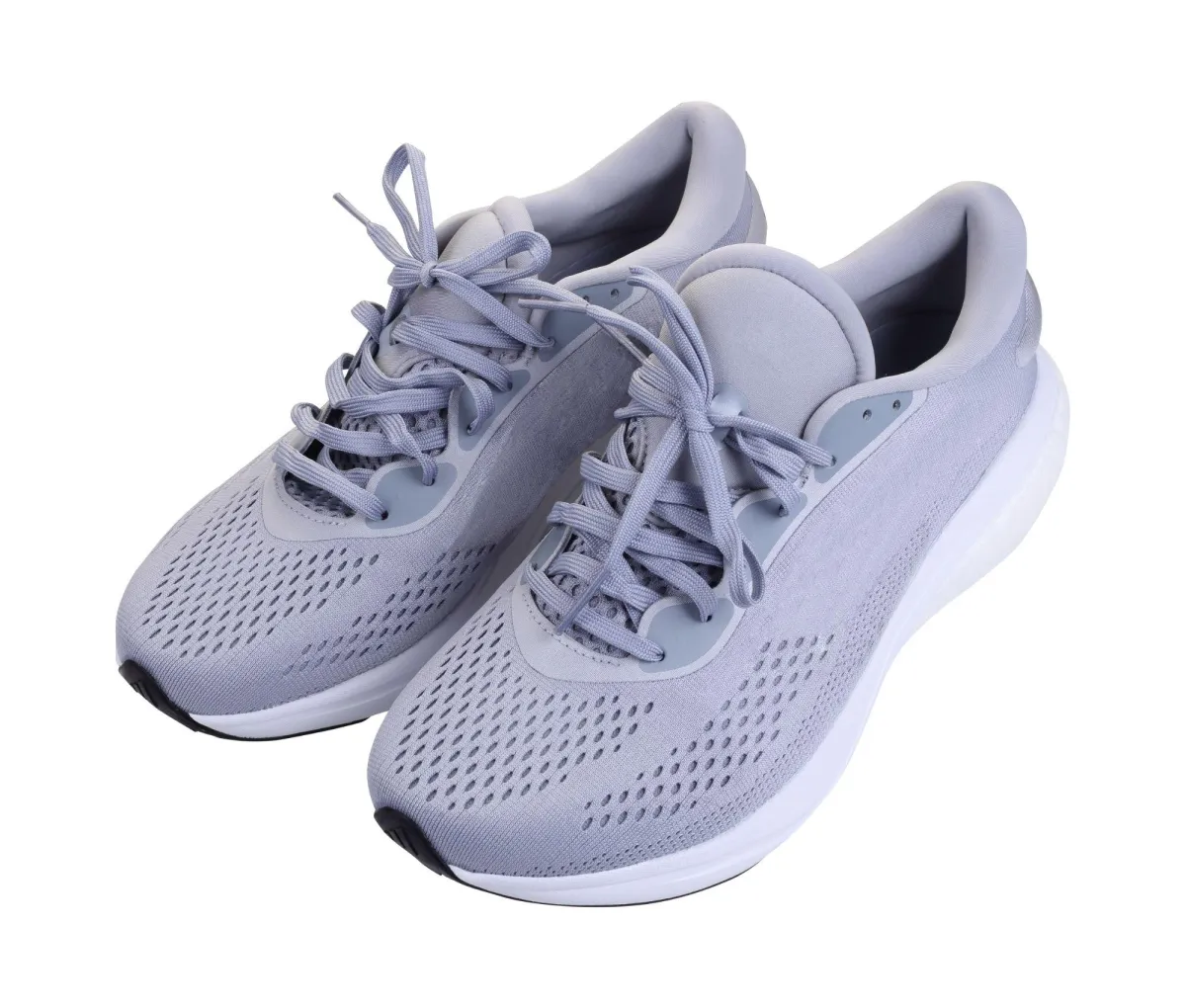
For a foot with neuropathy, shoes are protective equipment. Look for extra depth for toes that have changed shape, a roomy toe box, a smooth interior without rough seams, and inserts that spread pressure under the ball and heel. Details are in The Science Behind the Shoe.
Offloading means taking pressure off a specific spot so it can heal. If you already have an ulcer on the bottom of your foot, shoes alone aren't enough. International diabetic foot guidelines (IWGDF) favor a knee-high device such as a total contact cast or walking boot, managed by your foot care team. After it heals, well-fitted footwear and inserts help keep it from coming back.
Physical therapy
NIDDK notes PT can improve strength and balance. A therapist can work on ankle strength, gait, and balance, and suggest exercise that's easier on numb feet, like a stationary bike or chair exercises. Check with your doctor first, especially if you have a wound.
Medication for nerve pain
If burning or shooting pain is wearing you down, talk to your doctor. Several types of medicine can ease nerve pain, including certain antidepressants, certain anti-seizure medicines, and creams or patches. They don't repair nerves, and finding the right one can take some adjusting, so don't give up after the first try. The ADA also notes depression is common with nerve pain. If it's affecting your mood, mention that too.
Balance, falls, and numb feet
Balance depends on your inner ear, your eyes, and signals from your feet telling your brain where the floor is. Neuropathy weakens that last one, and NIDDK lists balance problems, falls, and fractures among its effects. Many people notice it first at night, when their eyes can't cover for their feet.
- Use night lights in the bedroom, hall, and bathroom.
- Clear throw rugs and cords from your usual paths.
- Sit on the edge of the bed a moment before standing at night.
- Wear supportive, closed-back shoes at home, not floppy slippers or socks alone.
- Add grab bars by the toilet and shower, and use stair rails.
- Tell your doctor about any fall or near fall. A brace, cane, or balance therapy may help.
Thanksgiving week and your feet
- Wear your protective shoes. New dress shoes for one dinner can leave a blister you won't feel. Wear them for photos, then switch back.
- Break up long drives every hour or two. Sitting for hours can make feet swell, and shoes get tight.
- Cooking for a crowd? Use a cushioned mat, sit when you can, and keep shoes on in case of dropped knives or hot spills.
- Bring indoor shoes if your hosts ask guests to take shoes off, instead of going in socks.
- Keep feet away from fireplaces and space heaters.
- Check your feet that night, even if it's late.
Where Medicare therapeutic shoes fit in
Therapeutic shoes are one tool, not the whole plan. For people with diabetes who meet Medicare's criteria (which can include neuropathy with callus formation, past ulcers, foot deformity, or poor circulation), Medicare.gov describes coverage of one pair of extra-depth shoes plus 3 pairs of inserts, or one pair of custom-molded shoes plus 2 extra pairs of inserts, per calendar year. An unused 2026 benefit doesn't carry into 2027, and doctor paperwork takes time, so late November is a good time to start. Our Diabetic Shoes and Medicare guide covers who qualifies and the paperwork. Medicare Advantage and other plans can differ, so MCB DME verifies your benefits before anything ships.
Common mistakes and red flags
- Assuming less pain means you're better. It may mean more numbness.
- Skipping the yearly foot exam because nothing hurts.
- Testing bath water with your foot. Use your elbow.
- Treating a hot, swollen foot like a sprain. It could be infection or Charcot foot.
- Walking on a sore because it doesn't hurt. Any open sore needs a doctor, the same day if possible.
FAQ
What does diabetic neuropathy in the feet feel like at first?
Usually tingling, burning, pins and needles, or mild numbness in the toes or soles of both feet, often worse at night.
Can diabetic neuropathy in the feet be reversed?
Current treatments don't reverse nerve damage. Good control of blood sugar, blood pressure, and cholesterol can help keep it from getting worse, and pain can often be eased.
How is neuropathy tested in the feet?
Usually with a monofilament pressed on your sole and a tuning fork on your big toe, plus a check of skin, reflexes, and pulses. Nerve conduction studies are used when the diagnosis is unclear.
How often should my feet be checked?
By your doctor or podiatrist at least once a year, more often if you have neuropathy or past foot problems. Check your own feet every day.
Does neuropathy affect balance?
Yes. With less feeling in your feet, balance gets harder, especially in the dark, and fall risk rises. Night lights, supportive shoes, and physical therapy help.
Do I need diabetic shoes if I have neuropathy?
Many people with neuropathy benefit from extra-depth shoes and inserts, and Medicare covers them for those who meet its criteria. Your doctor and a fitter can help you decide.
Key takeaways
- Tingling, burning, or numbness in both feet, often worse at night, are common early signs.
- A yearly monofilament and vibration exam catches it. Ask if you haven't had one.
- Lost feeling lets small injuries become ulcers, so your eyes and shoes do the protecting.
- Glucose control slows it; foot care, footwear, offloading, PT, and pain treatment all help.
- Light your path at night and wear supportive shoes at home.
Next steps
If you have neuropathy in your feet and live in northern New Jersey or nearby New York, including Rockland County, MCB DME can fit you in person for therapeutic shoes and inserts, check your benefits, and coordinate paperwork with your doctors. See our diabetic and orthopedic shoes page, call (973) 553-0777, visit 293 Lafayette Avenue, Suite 104, Hawthorne, NJ 07506, or use our contact page. Lumi, the chat assistant at the bottom right of any page on mcbdme.com, can answer questions any time.
This article is for general education and is not medical advice. Talk with your doctor or podiatrist about your own symptoms and treatment, and get care right away for any foot wound, sign of infection, or a foot that is suddenly hot and swollen.