Diabetic Shoes & Medicare: What's Covered + How to Get Them
If you're living with diabetes, you've probably heard your doctor emphasize the importance of taking care of your feet. What you might not realize is that Medicare provides a valuable benefit that could protect you from serious complications while saving you hundreds of dollars each year: coverage for therapeutic diabetic shoes and inserts.
Despite being one of Medicare's most beneficial provisions for diabetes patients, this coverage remains surprisingly underutilized. Many people with diabetes don't know they qualify, don't understand what's covered, or find the process confusing. At MCB DME, we've helped hundreds of patients in Northern New Jersey navigate this benefit, and we've seen firsthand how the right footwear can prevent devastating complications and dramatically improve quality of life.
This comprehensive guide will walk you through everything you need to know about Medicare coverage for diabetic shoes, why proper footwear matters so much when you have diabetes, how to qualify for coverage, and how to make the most of this essential benefit.
Why Diabetic Footwear Is a Medical Necessity, Not a Luxury
When most people think about managing diabetes, they focus on blood sugar monitoring, medication, and diet. Footwear might seem like an afterthought. However, for people with diabetes, the right shoes can literally be the difference between maintaining mobility and facing amputation.
The statistics are sobering and deserve your attention. Approximately 15% of people with diabetes will develop a foot ulcer at some point in their lives. These aren't minor wounds—diabetic foot ulcers are serious medical conditions that heal poorly due to reduced circulation and nerve damage. Even more concerning, diabetes-related complications account for more than 60% of all non-traumatic lower-limb amputations in the United States.
Perhaps most devastating is what happens after an amputation. Research shows that the five-year mortality rate following a lower extremity amputation ranges from 50% to 80%—higher than many forms of cancer. These aren't inevitable outcomes, though. With proper intervention, including appropriate therapeutic footwear, many of these tragedies can be prevented.
Studies consistently demonstrate that proper diabetic footwear can reduce ulcer recurrence by 30% to 50% and decrease amputation risk by up to 85%. When you look at numbers like these, Medicare's coverage of diabetic shoes isn't just a convenience—it's a potentially life-saving benefit that every qualifying patient should take advantage of.
How Diabetes Damages Your Feet
Understanding why diabetes makes your feet so vulnerable helps explain why specialized footwear matters so much. Diabetes affects your feet through several interconnected mechanisms, creating a perfect storm of risk factors.
Diabetic neuropathy develops when chronically elevated blood sugar damages the nerves in your feet and legs. This nerve damage manifests in multiple ways, all of which increase injury risk. Sensory neuropathy means you lose the ability to feel pain, temperature, and pressure in your feet. A pebble in your shoe or a blister forming from ill-fitting footwear won't register—you'll keep walking, turning a minor irritation into a serious wound.
Motor neuropathy affects the nerves controlling foot muscles, leading to muscle weakness and atrophy. As these muscles waste away, your foot's normal architecture collapses, creating deformities like hammertoes, bunions, and high arches. These deformities create abnormal pressure points where your shoes contact your feet, dramatically increasing ulcer risk.
Autonomic neuropathy disrupts the nerves controlling sweating and oil production in your feet. The result is excessively dry, cracked skin that's more prone to injury and infection. These cracks provide entry points for bacteria, turning minor skin problems into serious infections.
Poor circulation represents the second major threat. Diabetes damages blood vessels throughout your body, including those supplying your feet. Reduced blood flow means less oxygen and fewer nutrients reaching foot tissues, which dramatically slows healing. A wound that would heal quickly in someone without diabetes might take months in someone with poor circulation—or might never heal at all.

Reduced immune function compounds these problems. Diabetes impairs your immune system's ability to fight infections, meaning even minor foot wounds can quickly escalate into serious, limb-threatening infections. When you combine inability to feel injuries with poor healing and compromised infection-fighting ability, the result is extremely vulnerable feet that require specialized protection.
What Makes Diabetic Shoes Different
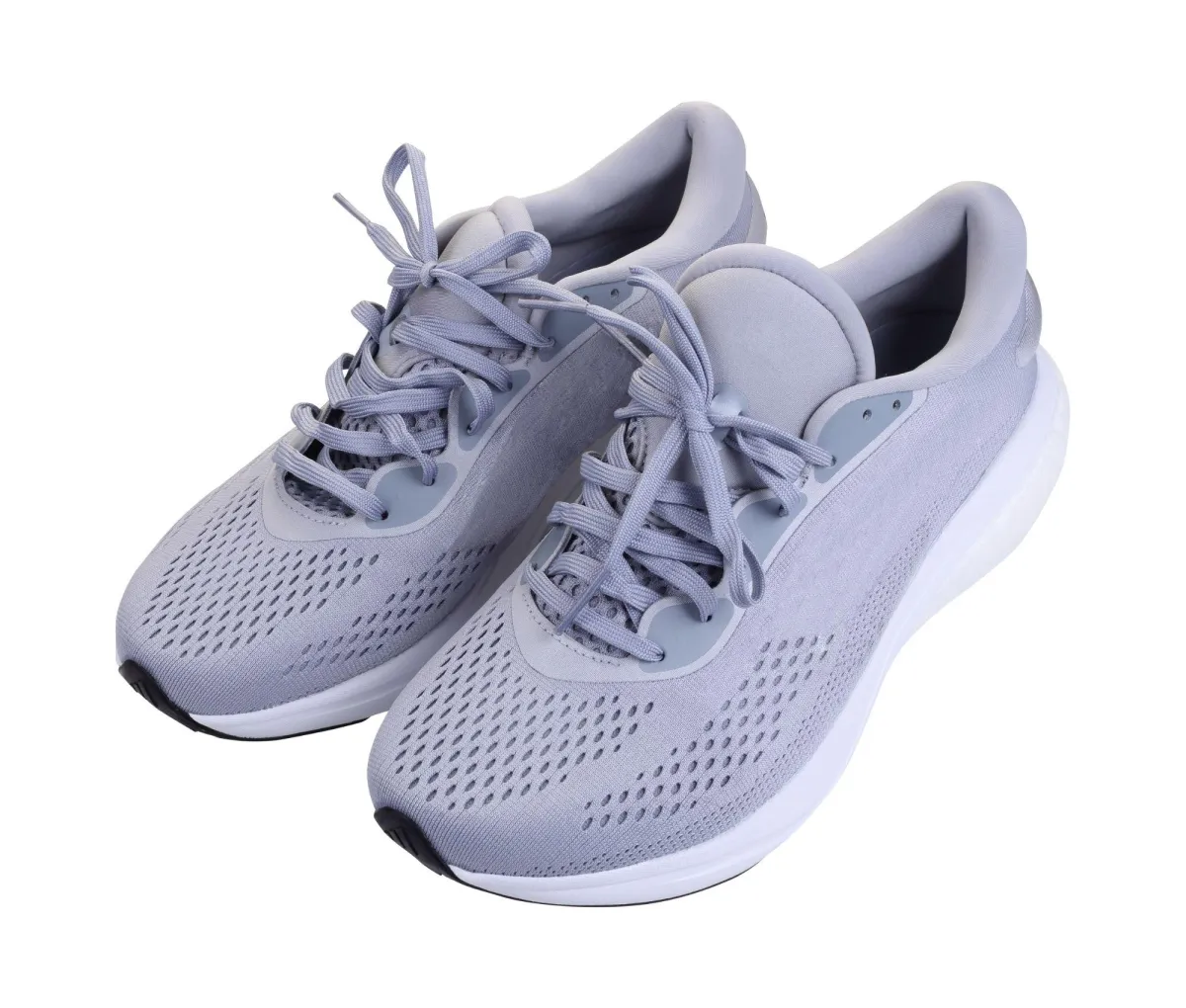
Therapeutic diabetic shoes aren't just comfortable shoes marketed to people with diabetes. They're FDA-approved medical devices specifically engineered to address the unique challenges diabetic feet face. Understanding these features helps you appreciate why they're worth pursuing through Medicare coverage.
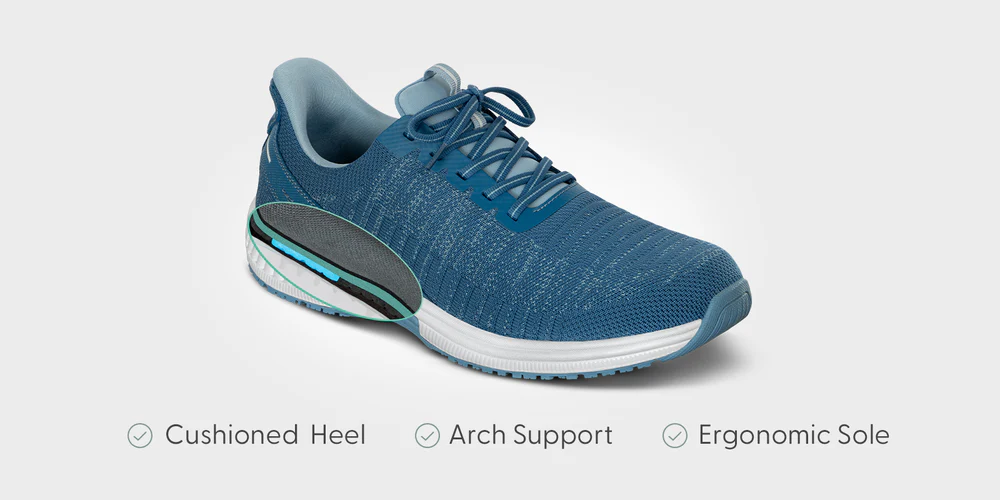
Extra depth is perhaps the most immediately noticeable difference. Diabetic shoes provide significantly more room in the toe box and throughout the interior than standard footwear. This extra space serves multiple purposes: it accommodates custom inserts that redistribute pressure, provides room for foot deformities like hammertoes or bunions without creating pressure points, and allows toes to move naturally without cramping.
Standard shoes typically offer only about a quarter-inch of space above your foot. Diabetic shoes provide a full half-inch or more, which might not sound like much but makes an enormous difference in preventing pressure injuries.
Seamless interiors eliminate one of the major injury sources for diabetic feet. Traditional shoes have interior seams where pieces of material are stitched together. These seams, no matter how small, create ridges that can rub against insensitive skin for hours, eventually causing blisters or wounds you won't feel developing. Diabetic shoes feature smooth, seamless interiors that eliminate these friction points entirely.
Cushioned, supportive soles serve dual purposes. First, they absorb shock with each step, reducing the impact forces transmitted through your feet. This matters because repetitive stress from walking on hard surfaces contributes to ulcer development over time. Second, these soles provide structural support that maintains proper foot alignment, preventing abnormal pressure distribution that could create hot spots.
Pressure-distributing inserts represent perhaps the most critical component of diabetic footwear. These aren't the flimsy foam inserts that come with drugstore shoes. Medicare-covered diabetic inserts are custom-crafted devices made from specialized materials engineered to spread your body weight evenly across your entire foot surface. By eliminating pressure concentration at specific points, these inserts dramatically reduce ulcer risk at high-danger sites.
Accommodative design means diabetic shoes can be fitted and adjusted to work with your feet as they are, rather than forcing your feet to conform to the shoes. Wide toe boxes accommodate bunions, rocker-bottom soles reduce pressure on the ball of the foot, and adjustable closures allow you to modify fit as foot swelling fluctuates throughout the day.

Understanding Medicare's Diabetic Shoe Coverage
Medicare's therapeutic shoe benefit has been available since 1993, yet many beneficiaries remain unaware they qualify or don't fully understand what's covered. Let's break down exactly what Medicare provides and who qualifies.
What Medicare covers each calendar year: If you meet the eligibility criteria, Medicare Part B provides coverage for one of the following options annually:
One pair of depth-inlay shoes with three pairs of custom-molded inserts, or one pair of custom-molded shoes (including inserts) with two additional pairs of inserts. The three pairs of inserts with depth shoes ensure you can rotate them regularly for hygiene and extended wear, maintaining optimal protection throughout the year.
Medicare also covers certain shoe modifications that may be needed instead of or in addition to inserts. These modifications include features like rocker bottoms, wedges, metatarsal bars, or offset heels that address specific biomechanical needs.
Depth shoes versus custom-molded shoes: Most patients receive depth shoes, which are high-quality therapeutic shoes available in standard sizes but with the extra room and protective features described earlier. These work well for most people with diabetic foot complications.
Custom-molded shoes represent a higher level of intervention reserved for patients with severe foot deformities that cannot be accommodated even by the generous sizing of depth shoes. These shoes are created from a precise cast or mold of your individual foot, ensuring perfect fit for even the most challenging foot conditions. The medical necessity for custom-molded shoes must be thoroughly documented, as Medicare only covers them when depth shoes are insufficient.
Cost sharing: After you meet your annual Part B deductible, Medicare pays 80% of the approved amount for diabetic shoes and inserts. You're responsible for the remaining 20% coinsurance. If you have a Medigap supplement policy, it typically covers some or all of this 20%, potentially making your out-of-pocket costs minimal or zero.
The catch is that you must use Medicare-enrolled suppliers. If you obtain diabetic shoes from a supplier not enrolled in Medicare, you'll be responsible for the full cost with no reimbursement.
Qualifying for Medicare Diabetic Shoe Coverage
Not every Medicare beneficiary with diabetes automatically qualifies for therapeutic shoe coverage. Medicare has established specific criteria to ensure this benefit goes to those who genuinely need it and will benefit from it.
Basic requirements: You must have diabetes that is being actively managed by a physician who is enrolled in Medicare. This treating physician (an MD or DO) must certify that you have diabetes, that you're being treated under a comprehensive diabetes care plan, and that therapeutic shoes are medically necessary as part of your treatment.
Qualifying conditions: In addition to having diabetes, you must have at least one of the following conditions in one or both feet:
Peripheral neuropathy with evidence of callus formation signals that nerve damage has progressed to the point where you're developing pressure injuries you can't feel. The presence of calluses indicates abnormal pressure distribution that therapeutic footwear can address.
Previous foot ulceration or a current ulcer demonstrates you're at high risk for recurrence. Once you've had one diabetic foot ulcer, your risk of developing another is extremely high—making preventive footwear absolutely critical.
Previous amputation of any part of the foot indicates advanced diabetic complications and very high risk for additional problems. Amputation also typically alters foot biomechanics, creating abnormal pressure patterns that specialized footwear must address.
Foot deformities including prominent toes like hammertoes or claw toes, bunions, overlapping toes, or Charcot foot create pressure points where standard shoes contact abnormally shaped feet. These deformities dramatically increase ulcer risk without proper footwear accommodation.
Poor circulation demonstrated by absent or significantly diminished pulses means your feet have reduced healing capacity. When combined with the mechanical protection therapeutic shoes provide, this criteria acknowledges that prevention becomes even more critical when healing ability is compromised.
Pre-ulcerative calluses that show signs of potentially developing into ulcers represent early warning signs that intervention is needed. Therapeutic footwear can prevent these concerning calluses from progressing to open wounds.
Certification and prescription requirements: The certification process involves multiple healthcare providers, each with specific roles. Your treating physician who manages your diabetes must provide certification that you meet the criteria. Then a podiatrist or qualified physician must write a prescription for the specific type of therapeutic footwear you need. Finally, the shoes must be fitted and dispensed by a qualified professional working for a Medicare-enrolled supplier.

Timeline requirements: Recent Medicare rules require that you've had a diabetes-related physician appointment within the six months before obtaining your shoes. Additionally, the certification must be completed at least three months before you receive your footwear. These requirements ensure ongoing medical management and prevent situations where outdated certifications are used for patients no longer under active care.
The Process: From Qualification to Fitted Shoes
Understanding the step-by-step process of obtaining Medicare-covered diabetic shoes helps demystify what might seem complicated. At MCB DME, we guide patients through each stage, but knowing what to expect can ease your mind.
Step one: Medical evaluation and certification. Schedule an appointment with your diabetes physician (the MD or DO managing your diabetes care). During this visit, discuss your foot health and concerns about complications. If you meet the qualifying criteria, your physician will complete Medicare's required certification form documenting that you have diabetes, that you're under a comprehensive treatment plan, and that you have at least one qualifying foot condition.
This certification must include detailed documentation of your condition. Vague statements won't suffice, Medicare requires specific documentation of exactly which qualifying conditions you have and how they affect your feet.
Step two: Prescription from qualified provider. Next, you'll need a prescription for diabetic shoes from a podiatrist or other qualified physician. This prescription specifies exactly what type of shoes you need (depth or custom-molded) and any particular features or modifications required for your specific situation. In some cases, your diabetes physician and the prescribing provider may be the same person if they're qualified to do both roles.
Step three: Professional fitting. Once you have proper certification and prescription, you'll visit a qualified supplier for professional fitting. This isn't like shopping for shoes at a retail store. A certified fitter will carefully measure both feet, assess your gait and any deformities, examine your current footwear for wear patterns that indicate pressure points, and select appropriate shoes and inserts that address your specific needs.
Many people are surprised to learn their two feet aren't exactly the same size. Professional fitting accounts for these differences, ensuring both feet receive proper protection and support.
Step four: Customization and adjustment. If you're receiving custom inserts—which most patients do—these will be specifically crafted based on measurements or molds of your feet. Modern custom inserts use advanced materials and computer-aided design to create optimal pressure distribution for your individual foot structure.
Your fitter will ensure the complete system—shoes plus inserts—works properly together, with no pressure points, appropriate depth throughout, and comfortable fit that you'll actually wear consistently.
Step five: Education and follow-up. Before you leave with your new footwear, you should receive thorough education on proper use, care, and maintenance. This includes guidance on breaking in new shoes gradually, inspecting feet daily for any problems, rotating between multiple pairs of inserts to extend their life, and knowing when to seek help if issues develop.
Quality suppliers like MCB DME offer ongoing support after your fitting. If you experience discomfort or notice problems, you shouldn't just suffer through—contact your supplier for adjustments or advice.
Maximizing Your Medicare Benefit
The annual renewal of Medicare's diabetic shoe benefit means you can receive fresh footwear each calendar year. Many patients don't realize they should be taking full advantage of this benefit regularly.
Annual replacement is important. Even the highest-quality diabetic shoes and inserts wear out with regular use. The cushioning compresses, materials break down, and protective features deteriorate. By the time a year has passed, your shoes and inserts are providing significantly less protection than when new, even if they still look acceptable.
Medicare structured this benefit with annual replacement specifically because yearly renewal is medically appropriate. You're not "gaming the system" by getting new shoes each year—you're following the recommended care protocol.
Rotate your inserts. Since you receive multiple pairs of inserts, rotate between them rather than wearing just one pair until it wears out. This rotation extends the life of each pair and ensures you always have fresh inserts available. Think of it like rotating the tires on your car—it makes everything last longer and perform better.
Consider timing strategically. Since Medicare's coverage resets each calendar year (January through December), many patients time their shoe replacement for early in the year. This approach ensures you have fresh footwear for the entire year ahead. However, if you're newly qualifying for the benefit later in the year, don't wait until January—get your first pair as soon as you qualify, then establish an annual replacement schedule from that point.
Maintain your shoes properly. Proper care extends the effective life of your diabetic shoes and inserts. Clean shoes regularly using appropriate methods for the materials, allow wet shoes to dry completely before wearing again, store shoes with adequate air circulation to prevent moisture and odor, inspect shoes frequently for wear patterns or damage that could create pressure points, and replace shoes immediately if you notice significant wear, even before your annual benefit renews.
Common Obstacles and How to Overcome Them
Despite Medicare's generous coverage, several obstacles can prevent patients from obtaining the diabetic shoes they need. Being aware of these potential pitfalls helps you navigate around them.
"My doctor hasn't mentioned diabetic shoes." Healthcare providers manage multiple competing priorities during brief appointments. Your foot health might not come up unless you raise it. Take initiative by asking your diabetes physician whether you might qualify for therapeutic footwear. Bring up any foot concerns, even if they seem minor—that slight callus or occasional numbness could be qualifying conditions.
"The paperwork seems complicated." The certification and prescription process does involve paperwork, but working with an experienced supplier makes this much smoother. At MCB DME, we handle most of the paperwork burden, coordinating between your physicians and Medicare to ensure proper documentation. You shouldn't let paperwork concerns prevent you from accessing this valuable benefit.
"I'm worried about costs." While you do have 20% coinsurance responsibility, the actual out-of-pocket amount is often quite manageable, especially if you have supplemental insurance. Consider that without Medicare coverage, a complete set of therapeutic shoes and custom inserts typically costs $400 to $800 or more. Your 20% share brings this down to $80 to $160, and Medigap coverage may eliminate even this cost.
When you compare this modest expense to the tens of thousands of dollars involved in treating a diabetic foot ulcer—or the devastating costs of amputation—the value becomes clear.
"My feet aren't that bad yet." This thinking puts you at serious risk. The time to prevent complications is before they occur, not after. Once you've developed an ulcer or required amputation, prevention becomes much more difficult. If you meet Medicare's qualifying criteria, you're already at elevated risk and should absolutely take advantage of protective footwear.
"I don't like how diabetic shoes look." This concern was more valid years ago when diabetic shoes were notoriously unattractive. Modern therapeutic footwear has improved dramatically in both style and appearance. While diabetic shoes may not win fashion awards, current options include athletic styles, casual shoes, and even dress shoes that look reasonably normal. Many styles are indistinguishable from regular comfort footwear.

More importantly, preserving your mobility and independence far outweighs any aesthetic concerns. Patients who've experienced diabetic foot complications universally wish they'd prioritized foot protection earlier, regardless of appearance.
Beyond the Shoes: Comprehensive Foot Care
Medicare-covered diabetic shoes form an essential component of diabetic foot care, but they work best as part of a comprehensive protection strategy. These additional practices maximize your foot health and safety.
Daily foot inspections should become a non-negotiable part of your routine. Each evening, carefully examine both feet for cuts, blisters, redness, swelling, or any changes from the previous day. Use a mirror to check the bottoms of your feet, or ask a family member to inspect areas you can't see well. Report any concerning findings to your healthcare provider promptly.
Professional foot care from a podiatrist provides an additional layer of protection. Regular podiatry visits allow early detection of developing problems, professional nail trimming that reduces injury risk, treatment of calluses before they progress to ulcers, and monitoring of foot structure changes over time. Many Medicare Advantage plans include routine podiatry coverage that Original Medicare doesn't provide.
Blood sugar management remains the foundation of preventing diabetic complications, including foot problems. Consistently maintaining blood glucose levels within target ranges reduces nerve damage progression and supports better circulation. Every point you lower your A1C reduces your complication risk.
Exercise and activity benefit your feet through multiple mechanisms. Regular movement promotes circulation, helps control blood glucose levels, maintains muscle strength that supports proper foot structure, and aids weight management which reduces pressure on feet. Just remember to always wear appropriate footwear during exercise—this means your therapeutic diabetic shoes for walking and daily activities.
Smoking cessation dramatically improves circulation and healing capacity. If you smoke and have diabetes, quitting represents one of the single most impactful changes you can make for your foot health and overall wellbeing.
Working With MCB DME: Your Partner in Diabetic Foot Care
Choosing the right durable medical equipment provider significantly impacts your experience obtaining and using diabetic footwear. The difference between a supplier who simply processes orders and one who partners with you in your care is substantial.
At MCB DME, diabetic footwear represents one of our core specialties. Our certified fitters have extensive experience working with Medicare beneficiaries, understanding both the clinical aspects of proper fitting and the administrative requirements for coverage. We've helped hundreds of Northern New Jersey patients successfully navigate the Medicare diabetic shoe benefit.
What sets us apart: We handle all insurance verification and prior authorization paperwork, saving you countless phone calls and headaches. Our team coordinates directly with your physicians to ensure proper certification and prescriptions. We provide thorough, unhurried fittings in our comfortable Hawthorne facility, never rushing you through the process. Most importantly, we offer ongoing support after your fitting—if problems arise or adjustments are needed, we're here to help.
We also provide comprehensive education ensuring you understand how to use and care for your footwear, when to seek help, and how to maximize your Medicare benefit year after year. Many of our patients develop long-term relationships with our team, returning annually for new footwear and knowing they have a reliable partner supporting their foot health.
Our service area: We're proud to serve patients throughout Northern New Jersey from our centrally located facility in Hawthorne. Whether you're local to Bergen County or traveling from surrounding areas, we make the process as convenient as possible.
Taking Action: Your Next Steps
If you have diabetes and haven't explored whether you qualify for Medicare-covered diabetic shoes, now is the time to act. Foot complications don't announce themselves with warning signs—by the time symptoms become obvious, significant damage may have already occurred.
Start with these simple steps: At your next diabetes appointment, ask your physician whether you meet the criteria for therapeutic footwear. Mention any foot concerns you have, no matter how minor they seem. If your doctor confirms you qualify, ask them to complete Medicare's certification form.
Then contact MCB DME at (973) 553-0777 to schedule your fitting appointment. Our team will verify your coverage, coordinate with your physicians, and guide you through every step of the process. We'll ensure you receive the footwear that best meets your needs while maximizing your Medicare benefits.
Visit us at 293 Lafayette Avenue, Suite 104, in Hawthorne, NJ, or reach out through our website to learn more about how we can support your diabetic foot care journey.
Remember: the feet you have today are the feet you need to carry you through the rest of your life. Protecting them with proper footwear isn't an option—it's a necessity. Medicare provides generous coverage for this protection because it works, preventing complications that would be far more costly to treat and devastating to experience.
Don't wait until problems develop to take action. If you qualify for therapeutic diabetic shoes, take advantage of this valuable benefit. Your feet and your future self will thank you.