
Mobility and Lymphedema: Why Movement Is Medicine
May brings two observances that speak directly to the lymphedema community: National Mobility Awareness Month and Older Americans Month, whose 2026 theme is Champion Your Health. Both moments reinforce a clinical truth that has reshaped lymphedema care over the past two decades: movement is not optional. It is the engine of the lymphatic system, and for patients managing chronic swelling, it is one of the most effective therapies available.
This guide is written for three audiences: patients living with lymphedema or chronic edema who want to move with confidence, certified lymphedema therapists (CLTs) and physical therapists looking for a patient-friendly resource to share, and referring physicians building activity plans into broader care. We will cover why the lymphatic system depends on movement, which forms of exercise are safest and most effective, and which compression garments to wear while you move.
Why Movement Is Medicine for the Lymphatic System
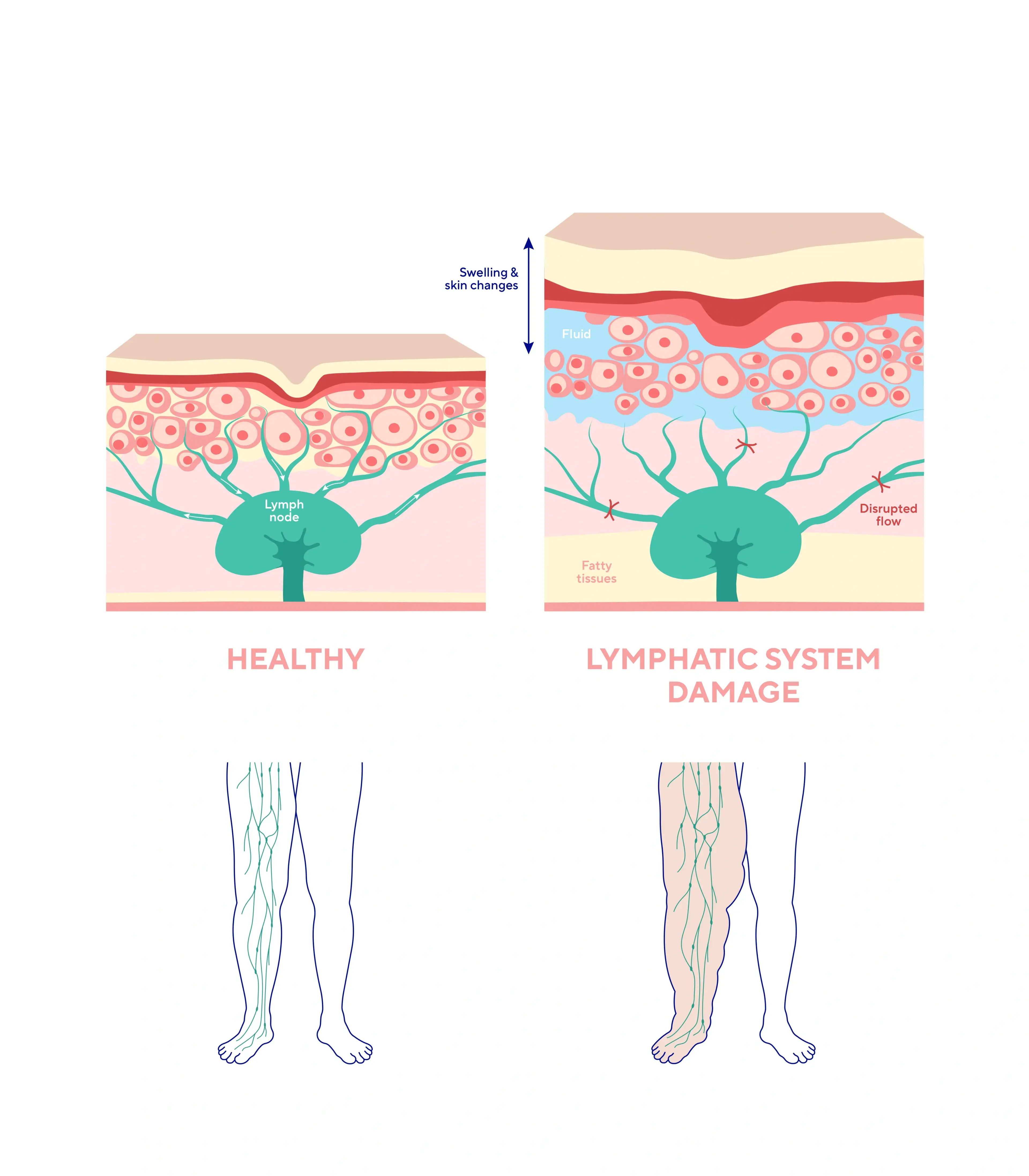
Unlike the cardiovascular system, the lymphatic system has no central pump. The heart does not push lymph fluid. Instead, lymph relies on three quieter mechanisms: the spontaneous contraction of lymph vessels themselves, the pressure changes that happen when you breathe deeply, and the rhythmic squeeze of skeletal muscles around lymph collectors during movement. Stop moving, and lymph slows. Move consistently, and lymph flows.
This is why bed rest, long-haul flights, prolonged sitting, and immobility after surgery all carry elevated lymphedema risk. It is also why the old advice given to breast cancer survivors (avoid lifting, avoid exertion, protect the at-risk arm) has been replaced by the opposite recommendation. The landmark Physical Activity and Lymphedema (PAL) trial, led by Dr. Kathryn Schmitz and published in the New England Journal of Medicine, showed that progressive strength training did not worsen lymphedema in breast cancer survivors and in many cases reduced flare-ups and improved symptoms. Subsequent research has extended those findings to lower-extremity lymphedema, cancer-related and primary lymphedema, and patients across age ranges.
The National Lymphedema Network and the Lymphology Association of North America both now position exercise as a foundational pillar of management, alongside manual lymphatic drainage, compression, and skin care. For a fuller picture of how those pillars fit together, see our overview at mcbdme.com/lymphedema.
How Movement Actually Moves Lymph
Three physiologic events explain why exercise works:
The skeletal muscle pump. When you contract a muscle, it briefly compresses the lymph collectors running between fascia layers. When you relax, fluid is drawn into the next segment. Repeated tens of thousands of times per day during normal activity, this pump moves the bulk of peripheral lymph back toward the central circulation.
The respiratory pump. Diaphragmatic breathing creates intra-thoracic pressure shifts that pull lymph upward through the thoracic duct and into the venous system at the left subclavian vein. This is why slow, deep breathing is part of nearly every CDT protocol.
Increased arterial inflow with controlled return. Aerobic exercise increases capillary filtration on the front end, but well-fitted compression keeps the return side efficient. The net effect, in a properly garmented limb, is increased lymphatic throughput rather than net swelling.
The clinical implication is direct: movement plus compression beats movement alone, and either beats inactivity.
The Best Forms of Movement for Lymphedema
There is no single right exercise for every patient. The best routine is one a patient will actually do, that respects their stage of disease and other medical conditions, and that pairs with appropriate compression. Below are the five categories most consistently recommended by lymphedema therapists.
1. Walking
Walking is the foundation of nearly every activity prescription. It engages the calf muscle pump (often called the "second heart"), supports cardiovascular health, and requires no equipment. The CDC physical activity guidelines for adults recommend at least 150 minutes of moderate-intensity activity per week, which most patients can reach with a daily 20 to 30 minute walk.
For lower-extremity lymphedema, walking with a properly fitted daytime stocking is generally well tolerated. For older adults working through the Champion Your Health theme this May, a daily walk is the single highest-yield habit available.
2. Aquatic Exercise
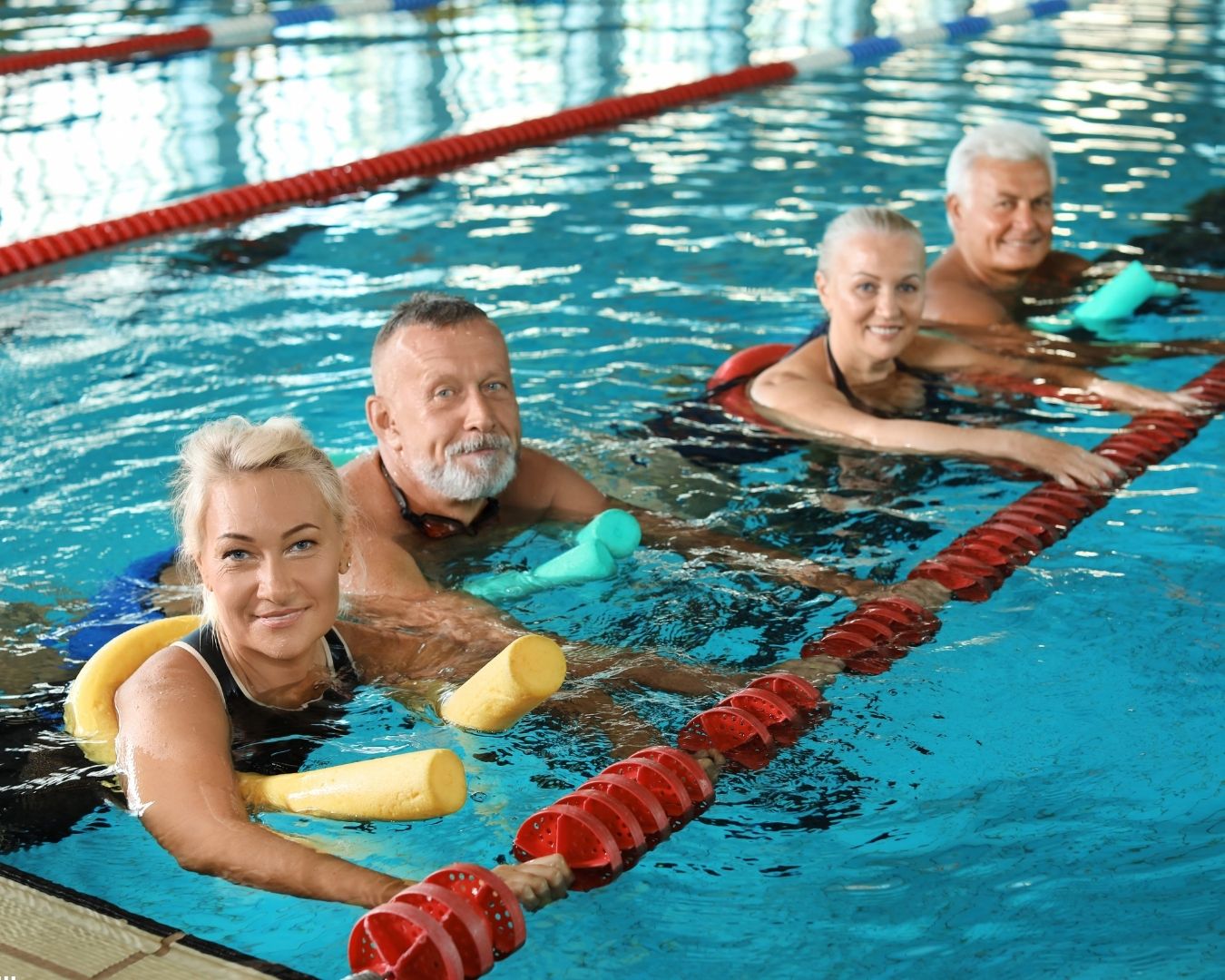
Water is a near-ideal environment for lymphedema. Hydrostatic pressure increases with depth, providing graduated, all-over compression similar to a custom garment. Cool water temperatures (typically 83 to 88 degrees Fahrenheit) reduce capillary filtration. Buoyancy unloads arthritic joints, which is particularly valuable for older patients with co-existing osteoarthritis or knee replacements. The Lymphatic Education & Research Network (LE&RN) lists aquatic therapy among its most frequently recommended modalities for lower-extremity disease.
Compression garments are usually removed in the pool. Many patients re-don their garment within a few minutes of toweling off.
3. Strength Training
The PAL trial fundamentally rewrote the strength-training conversation. Progressive resistance training, started low and advanced slowly under therapist supervision, is safe for the at-risk and the affected limb. The keys are: start with very light loads, build over weeks rather than days, monitor for symptom changes, and always wear compression during sessions.
For older adults, the case for strength training is even stronger. Sarcopenia (age-related muscle loss) is one of the most underappreciated risk factors for falls, fractures, and loss of independence. Two strength sessions a week, even bodyweight or resistance band based, can preserve muscle mass for decades.
4. Yoga, Tai Chi, and Mobility Work
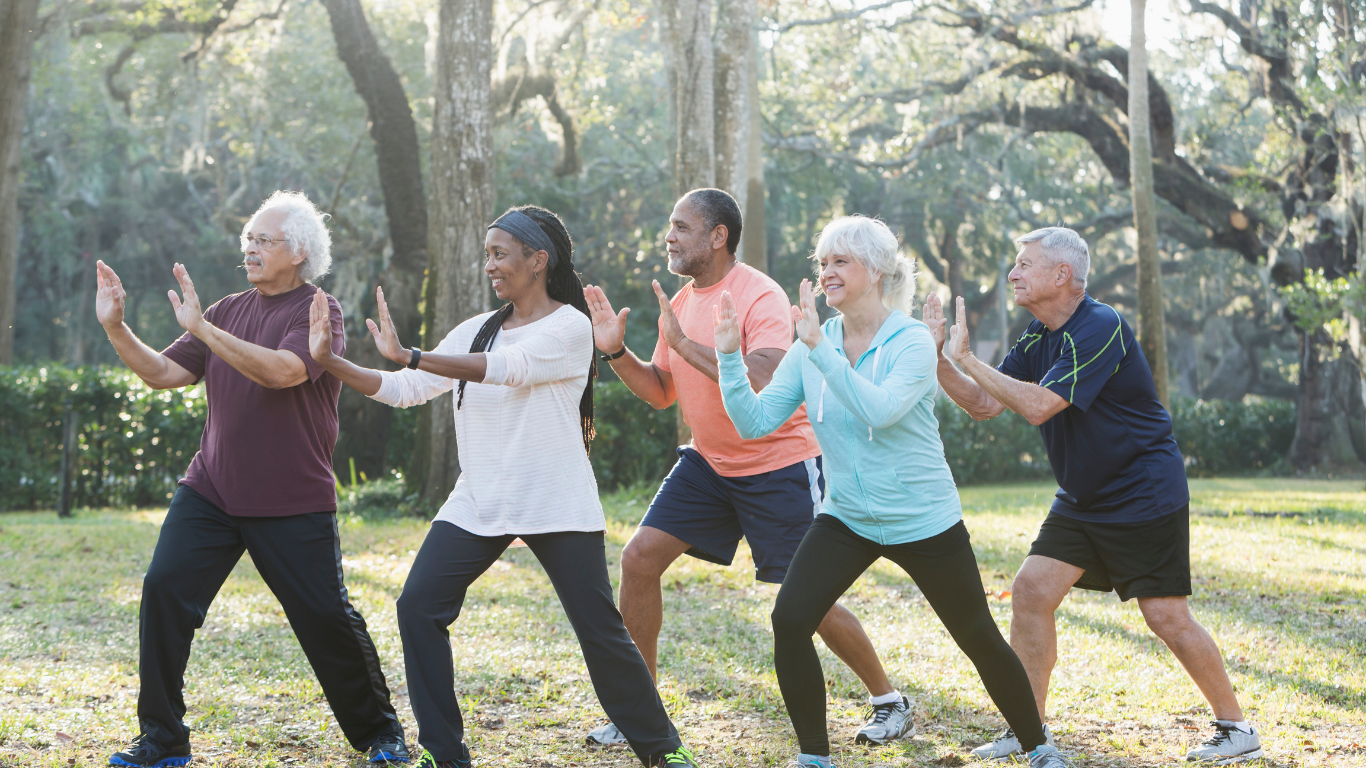
Yoga combines deep breathing (the respiratory pump), gentle stretching, and isometric muscle engagement, all of which favor lymphatic flow. Tai chi adds balance training, which is the single most evidence-supported intervention for fall prevention in older adults. The National Institute on Aging lists both as recommended forms of balance and combined exercise for adults over 65.
Patients with upper-extremity lymphedema should generally avoid postures that place sustained body weight on the affected arm (full plank, crow pose) and choose modifications. A yoga instructor experienced with oncology populations is invaluable.
5. Cycling and Recumbent Cycling
For lower-extremity lymphedema, cycling provides high-volume calf-pump engagement without weight bearing on the knees or hips. Stationary or recumbent bikes are excellent options for patients with balance concerns, and they let patients control intensity precisely. A 20 minute easy session, repeated three times a week, is a reasonable starting point.
What to Wear When You Move: Compression for Exercise
Compression during activity is not optional. The increased capillary filtration that comes with exercise is what makes movement safe, but only when the return side of the system is supported. The choice of garment depends on the limb involved, the activity, and the stage of disease.
Daytime Flat-Knit Sleeves and Stockings
For most maintenance-phase patients, a well-fitted daytime gradient stocking or sleeve (typically 20 to 30 mmHg or 30 to 40 mmHg, prescribed by the treating therapist or physician) is the right answer for walking, cycling, yoga, and gym sessions. Flat-knit construction provides firmer containment than circular-knit and is the preferred option for moderate to advanced lymphedema. Brands frequently dispensed by MCB DME include Juzo, Medi, Sigvaris, Jobst, and Solidea.
Adjustable Wrap Systems (circaid, ReadyWrap)
For patients whose limb shape changes throughout the day, or who find traditional stockings difficult to don, hook-and-loop adjustable wrap systems are an excellent alternative for exercise. The patient can loosen one panel, walk, and re-tension as needed. Adjustable wraps are now covered under Medicare Part B following the Lymphedema Treatment Act.
Athletic and Sport-Specific Garments
Several manufacturers now produce garments engineered for active wear: moisture-wicking fabrics, antimicrobial finishes, silicone grip bands that stay in place during running or cycling, and lower-profile silhouettes that disappear under athletic wear. These are often the right call for younger patients returning to higher-intensity activity.
What Not to Wear
A nighttime foam-padded garment is not appropriate for exercise. It is designed for low-activity, horizontal rest. For details on when those garments belong in the routine, see our companion piece, Nighttime Compression Garments for Lymphedema. And a daytime stocking worn out of size, with rolled cuffs or excessive proximal tightness, can do more harm than good. Annual refitting is part of standard care.
For broader product information, see our compression therapy services page.
Building an Exercise Routine: A Practical Framework
A simple, evidence-aligned weekly structure for a maintenance-phase patient looks like:
5 days a week: 20 to 30 minutes of walking or cycling, in compression.
2 days a week: 20 to 30 minutes of strength training (resistance bands, light dumbbells, or machines), in compression, starting at very low loads and progressing weekly.
2 to 3 days a week: 15 to 20 minutes of yoga, tai chi, or mobility work, including diaphragmatic breathing.
Daily: 5 minutes of deep breathing, ideally in the morning before donning the daytime garment.
The principle is consistency over intensity. A patient who walks 20 minutes a day for a year will see better outcomes than one who attempts ambitious workouts and abandons them in three weeks.
Common Mistakes and Misconceptions
"I should rest the affected limb." Outdated. Properly compressed activity is protective. Total rest allows fluid to accumulate.
"If a little is good, more is better." Not for early-phase patients. Progress strength loads over weeks, not days, and watch for symptom changes.
"I can skip compression for short walks." Even a 15 minute walk without compression can produce measurable volume change in an affected limb. Wear the garment.
"Hot yoga is fine." Heat increases capillary filtration. Most therapists advise patients with lymphedema to avoid hot yoga, saunas, and very hot baths.
"Once I am stable, I can stop exercising." Maintenance is the goal, not the finish line. Lymphedema is a chronic condition; activity remains protective indefinitely.
When to Seek Professional Help
Talk with your lymphedema therapist or physician promptly if you experience:
New, sudden, or persistent swelling that does not improve with rest and compression.
A feeling of heaviness, tightness, or aching in the limb that begins or worsens with activity.
Skin changes (redness, warmth, hardening, or breakdown).
Discomfort or numbness during or after exercise that does not resolve quickly.
Any signs of infection (fever, streaking redness, increasing pain), which require urgent medical attention.
If you do not yet have a certified lymphedema therapist (CLT) involved in your care, the Lymphology Association of North America maintains a directory of certified specialists.
Patients with quick follow-up questions can also use Lumi, our 24/7 lymphedema chatbot available at the bottom right of every page on mcbdme.com. Lumi can answer common questions about garments, fitting, insurance, and exercise considerations between appointments.
Frequently Asked Questions
Can I exercise if I have not yet been fitted for a compression garment?
Walking at a moderate pace is generally safe, but most therapists advise against strength training, prolonged cycling, or higher-intensity activity until a garment is in place. Schedule a fitting before adding load.
How long after lymph node surgery can I start exercising?
Generally as soon as your surgeon clears you, often within 1 to 2 weeks for gentle walking and breathing exercises, and within 4 to 6 weeks for progressive strength training. Always defer to your surgical team's timeline.
Will exercise reduce the size of my affected limb?
It can stabilize or modestly reduce limb volume in many patients, particularly when combined with compression and manual lymphatic drainage. It will not, by itself, reverse advanced fibrotic changes. Expectations matter.
What about pickleball, tennis, and racquet sports?
Generally fine with appropriate upper-extremity compression for arm lymphedema, with two cautions: warm up gradually, and watch for skin abrasions or insect bites that could become infection portals. Wear a sleeve and gauntlet if the affected arm is the racquet arm.
Is it safe to lift weights with breast cancer related lymphedema?
Yes, when supervised and progressive. The PAL trial established this. Begin at a very light load, use compression, and increase only when the prior load has been tolerated for two weeks without symptom change.
Does Medicare cover compression garments I will use for exercise?
Yes. Since January 1, 2024, Medicare Part B covers daytime gradient compression garments (three per affected body part every six months) and adjustable wraps under the Lymphedema Treatment Act, with the same coverage applying to garments used for activity. See the CMS lymphedema compression treatment items page for details.
I am 78 and have never exercised regularly. Where do I start?
Start with walking, five minutes a day, every day, for one week. Add one minute each subsequent day. Add a single set of seated resistance band rows or wall push-ups twice a week. The Champion Your Health theme of Older Americans Month 2026 exists because it is never too late. The evidence on starting late is clear: meaningful gains in strength, balance, and lymphatic function are achievable into the eighties and nineties.
Key Takeaways
The lymphatic system has no central pump; muscle contraction, breathing, and movement are how lymph circulates.
Properly compressed exercise (walking, aquatic, strength, yoga and tai chi, cycling) is safe and protective across the lymphedema spectrum.
The PAL trial and subsequent research overturned decades of "avoid lifting" advice for breast cancer survivors.
The right garment for movement is a well-fitted daytime gradient stocking, sleeve, or adjustable wrap (not a nighttime foam garment).
Older Americans Month 2026 (Champion Your Health) and National Mobility Awareness Month make May the right moment to start, restart, or recommit to an activity plan.
Medicare Part B covers the daytime and adjustable garments most patients need for active wear.
Next Steps
If you have been prescribed compression therapy and want to start (or restart) a movement plan, the right next step is a current garment fitting and a brief conversation with your CLT or PT about an exercise prescription. If you are a referring provider building an activity plan into a patient's broader care, MCB DME can verify benefits, dispense the appropriate garments, and coordinate with the treating therapist.
Patients: Visit mcbdme.com/patients or contact us to start the process. For quick questions, use Lumi at the bottom right of any mcbdme.com page.
Therapists and providers: Visit mcbdme.com/providers for prescription forms, fitter information, and referral support.
Other compression needs: Explore our full compression therapy services and lymphedema management resources.
Related Resources:
MCB DME is a durable medical equipment provider based in Hawthorne, New Jersey, specializing in lymphedema management, compression therapy, diabetic footwear, arterial pumps, and bracing and prosthetics. MCB DME is a Medicare-enrolled DMEPOS supplier and bills Medicare, Medicaid, and most commercial insurance plans directly for covered lymphedema compression treatment items.
Disclaimer: This article is for educational purposes only and is not a substitute for medical advice. Exercise recommendations should be individualized with a certified lymphedema therapist, physical therapist, or treating physician. Coverage, documentation requirements, and HCPCS coding are subject to change; always verify current payer policies for guidance specific to your situation.