Lymphedema Wellness Guide: Water Therapy & Nutrition | MCB DME
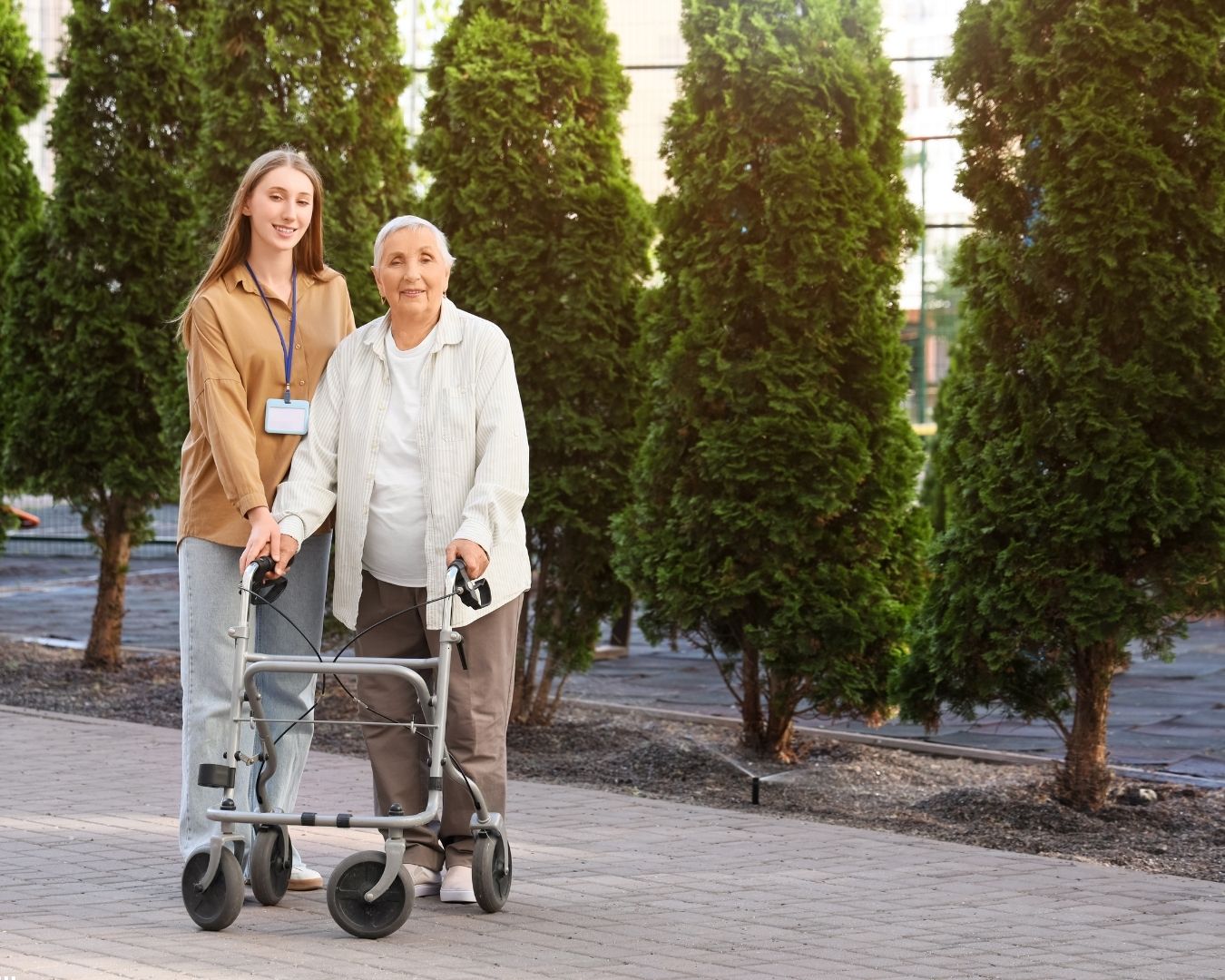
If you've recently been diagnosed with lymphedema — or if you've been managing it for years — one of the most important things to understand is this: lymphedema is not a single event you recover from. It is a lifelong journey that you learn to navigate.
That's not meant to discourage you. It's actually the opposite. Because when you stop waiting to "get better" and start building a sustainable daily practice, everything changes. Swelling becomes more manageable. Fatigue lifts. Quality of life improves significantly. And the tools available to you — from compression therapy to targeted exercise to what you put on your plate — are more powerful than most people realize.
This guide is for patients, caregivers, and anyone who wants to understand how lifestyle wellness strategies fit into a complete lymphedema management plan. We'll focus specifically on two often-overlooked pillars: water therapy and nutrition — and how each one, alongside compression and medical care, can help you live well with lymphedema for the long term.
What It Means to Live With Lymphedema
Lymphedema is a chronic condition caused by damage or dysfunction in the lymphatic system — the network of vessels and nodes responsible for transporting protein-rich fluid through the body. When this system is compromised, fluid accumulates in the tissues, causing persistent swelling, heaviness, and discomfort, most commonly in the arms or legs.
It can develop as a primary condition — present from birth or emerging in early adulthood without a clear external cause — or as a secondary condition resulting from surgery, radiation therapy, infection, or trauma. According to the Lymphatic Education & Research Network, an estimated 10 million Americans live with lymphedema, making it more prevalent than many well-known chronic diseases.
What makes lymphedema a journey rather than an event is that it is progressive without consistent management — but also remarkably responsive to the right daily care. The National Lymphedema Network recognizes Complete Decongestive Therapy (CDT) as the gold standard for treatment, incorporating manual lymphatic drainage, compression therapy, therapeutic exercise, and skin care. But beyond clinical treatment, lifestyle choices — particularly water-based exercise and nutrition — play a powerful and underappreciated role in how well patients manage over time.
The Role of Wellness in Lymphedema Management
For too long, wellness strategies were treated as "extras" in lymphedema care — nice to have, but secondary to garments and pump therapy. The research increasingly tells a different story.
Systemic inflammation is one of the key drivers of lymphedema progression. When the body is chronically inflamed, lymphatic vessels are further damaged, fluid accumulates more aggressively, and the characteristic tissue hardening (fibrosis) accelerates. Conversely, lifestyle choices that reduce inflammation — consistent gentle movement, an anti-inflammatory diet, stress management, adequate sleep, and therapeutic water exposure — directly support lymphatic function and slow progression.
Think of compression garments and pump therapy as the foundation of your lymphedema management home. Wellness strategies are the walls and roof — essential to the structure, not optional additions.
This is why the most effective lymphedema management programs now take a whole-person approach, integrating clinical treatment with patient education, lifestyle coaching, and self-care skill-building. Let's look at two of the most accessible and evidence-supported wellness strategies available.
Water Therapy for Lymphedema: What the Research Shows
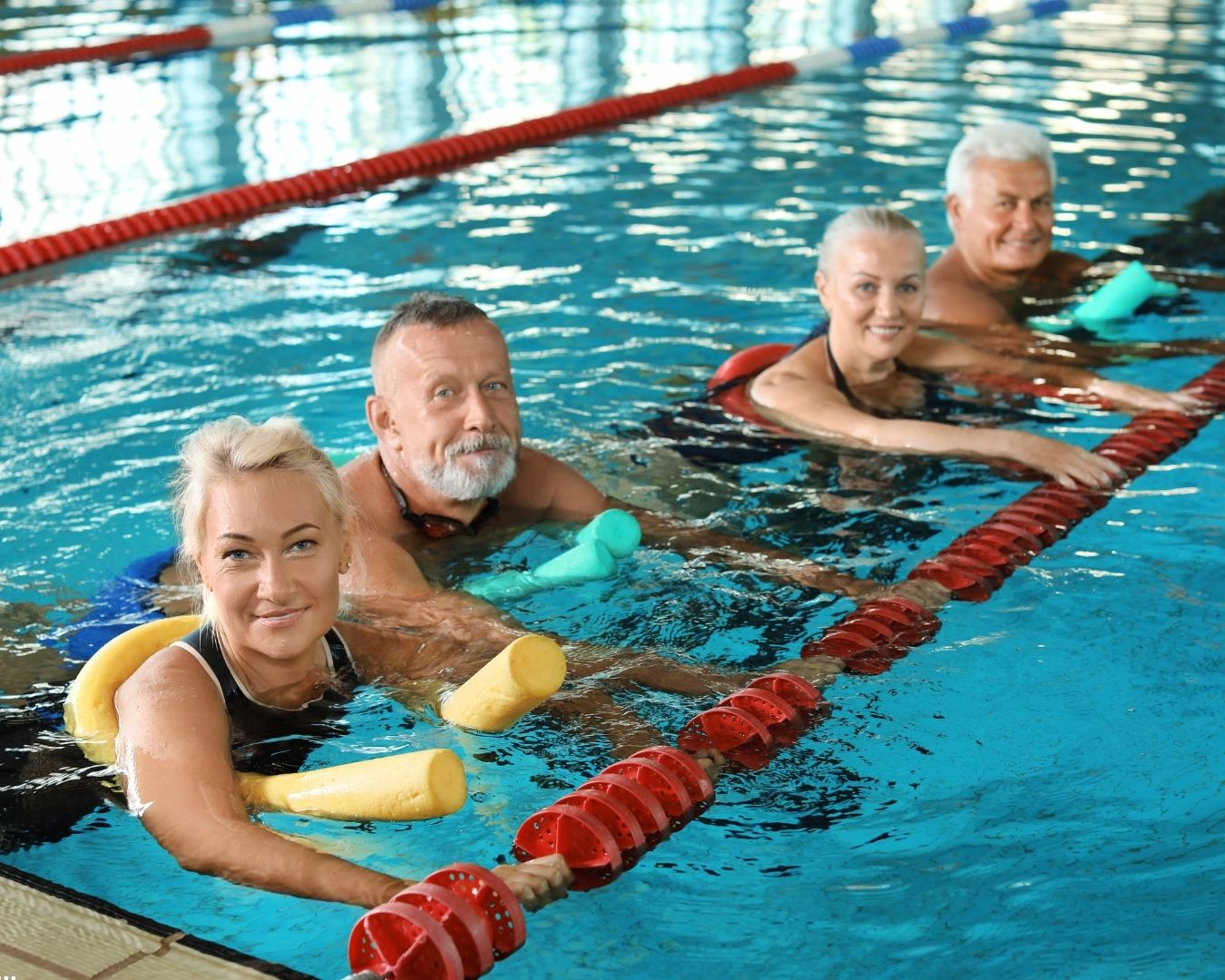
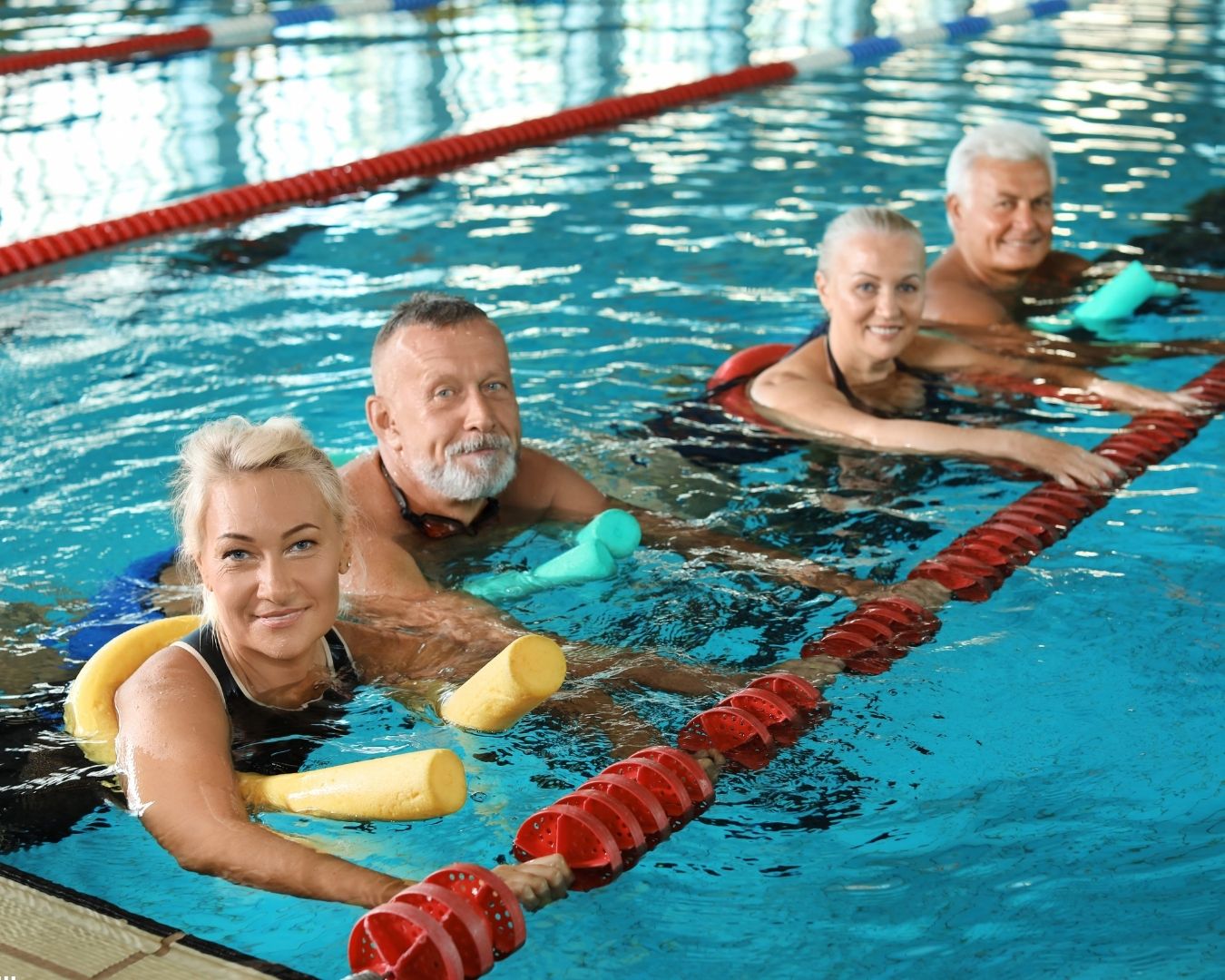
Water therapy — also called aquatic therapy, hydrotherapy, or aqua lymphatic therapy — is one of the most promising and patient-friendly wellness tools for people living with lymphedema. And the reason it works comes down to basic physics.
Why Water Is Uniquely Therapeutic for Lymphedema
When your body is submerged in water, it is immediately surrounded by hydrostatic pressure — the natural, uniform pressure that water exerts on all surfaces it contacts. This pressure increases with depth: submerging a limb just 50 centimeters below the surface delivers approximately 39 mmHg of external pressure — well within the therapeutic range used in clinical compression therapy.
This means the water itself acts as a kind of full-body compression garment, gently pushing excess fluid from the extremities back toward the central lymphatic system. At the same time, buoyancy counteracts gravity, making movement easier and reducing joint stress on swollen, heavy limbs. For patients who find land-based exercise painful or exhausting, water removes many of those barriers entirely.
The combination creates three simultaneous therapeutic effects:
Hydrostatic compression that promotes lymphatic and venous return
Buoyancy-assisted movement that allows muscle pump contractions without joint strain
Thermal regulation (in heated pools) that promotes relaxation and reduces pain sensitivity
What the Evidence Supports
A scoping review published in the Journal of Vascular Surgery: Venous and Lymphatic Disorders analyzed nine randomized controlled trials and clinical studies on water-based exercise for upper and lower limb lymphedema. The findings showed improvements in pain perception, joint range of motion, limb strength, and quality of life — with no adverse events reported across any of the included studies.
A randomized controlled trial published in PMC focused specifically on breast cancer-related lymphedema found that patients who completed an 8-week aqua therapy resistance exercise program experienced meaningful reductions in arm volume and improvements in shoulder range of motion compared to a land-based exercise control group. Researchers noted that diaphragmatic breathing during aquatic exercise appears to enhance central lymphatic flow through the thoracic duct — adding another mechanism of benefit.
An earlier meta-analysis on aquatic lymphatic therapy (PMC) found that slow-paced aquatic exercise, particularly when combined with diaphragmatic breathing techniques, was more effective at reducing limb volume than conventional (faster-paced) aquatic exercise — a clinically important distinction for patients designing their own water therapy routines.
Practical Water Therapy Options for Lymphedema Patients
You don't need a specialized aquatic therapy program to benefit from water exercise — though working with a certified lymphedema therapist (CLT) to design a safe program is always advisable. Here are the most accessible options:
Pool walking and gentle swimming. Walking laps in a chest-deep pool provides consistent hydrostatic pressure on the lower extremities while encouraging rhythmic muscle contractions. Slow, deliberate swimming strokes — backstroke and breaststroke are especially gentle — provide upper extremity benefits without aggressive shoulder loading.
Ai Chi (aquatic Tai Chi). This slow-paced, meditative water exercise sequence was developed specifically as a therapeutic modality. It incorporates deep diaphragmatic breathing, gentle weight shifting, and slow arm movements in neck-deep water. Research supports its effectiveness for reducing limb volume in breast cancer-related lymphedema with an excellent safety profile.
Aqua lymphatic therapy (ALT). A structured protocol developed specifically for lymphedema patients, ALT combines self-massage techniques with gentle pool exercises in a hydrotherapy environment. Patients are typically instructed by a trained CLT and then continue independently.
Aqua cycling. Stationary cycling in a pool combines the cardiovascular and muscular benefits of cycling with full lower limb hydrostatic compression. It's particularly beneficial for lower extremity lymphedema patients who need a low-impact cardio option.
Water Therapy Safety Guidelines
Always wear your prescribed compression garment before and after pool sessions, as directed by your therapist — opinions vary on whether to wear garments during swimming itself
Choose pools with clean, well-maintained water to protect lymphedema-affected skin from infection risk
Avoid hot tubs and very warm water, which can increase vasodilation and temporarily worsen swelling
Perform slow, deliberate movements — research consistently shows that slower water exercise is more effective for lymphedema than vigorous activity
Incorporate deep belly breathing throughout your session to enhance central lymphatic drainage
Always consult your certified lymphedema therapist or physician before beginning any new exercise program
Nutrition for Lymphedema: Eating to Support Your Lymphatic System
Food is not a cure for lymphedema. That needs to be stated clearly up front, because well-meaning misinformation about "lymph-cleansing diets" and miracle supplements is everywhere. But the evidence on nutrition and lymphatic health is genuinely compelling — and the dietary strategies that support lymphedema management are exactly the ones that support overall long-term health.
The central mechanism is inflammation. As a 2022 study published in PMC explains, the classical Western diet — high in refined carbohydrates, processed foods, and unhealthy fats — promotes systemic low-grade chronic cellular inflammation, which in turn stimulates edema and accelerates lymphedema progression. Conversely, anti-inflammatory eating patterns reduce the inflammatory load on lymphatic tissues, support healthy immune function, and help maintain the body weight that is one of the strongest modifiable risk factors for lymphedema severity.
The Foundation: An Anti-Inflammatory Eating Pattern
The most evidence-supported dietary framework for lymphedema management is the Mediterranean diet — a pattern centered on whole foods, colorful produce, healthy fats, lean proteins, and minimal processed or refined ingredients. This is not a restrictive "lymphedema diet." It is a broadly healthy approach to eating that happens to be particularly well-suited to reducing the inflammatory burden associated with lymphatic dysfunction.
The Norton School of Lymphatic Therapy and independent research consistently identify the Mediterranean framework as the strongest dietary model for patients with lymphedema. Here's what it looks like in practice:
Foods That Support Lymphatic Health
Fatty fish (salmon, sardines, mackerel, trout). Rich in omega-3 fatty acids, which are converted in the body into anti-inflammatory compounds called resolvins and protectins. Aim for two to three servings per week. This is one of the most consistent dietary recommendations across the lymphedema nutrition literature.
Colorful fruits and vegetables. Berries, dark leafy greens, citrus fruits, beets, and cruciferous vegetables (broccoli, cauliflower, Brussels sprouts) are high in antioxidants, vitamin C, and phytochemicals that reduce oxidative stress and support immune function. The Lymphatic Education & Research Network recommends aiming for at least two and a half cups of produce daily.
Extra virgin olive oil. Contains oleocanthal — a natural biophenol compound with documented anti-inflammatory properties — as well as hydroxytyrosol, which has shown promise in PMC research for its potential role in reducing leukotriene B4, a key molecule in lymphedema pathogenesis.
Whole grains and legumes. Brown rice, oats, quinoa, lentils, and chickpeas provide fiber that supports gut health — which is increasingly recognized as interconnected with lymphatic function — while stabilizing blood sugar and reducing inflammatory signaling.
Fermented foods. Yogurt, kefir, kimchi, and sauerkraut support the gut microbiome, which in turn reduces systemic inflammatory load and supports the immune function that the lymphatic system depends on.
Water and high-water-content foods. Proper hydration is essential for lymphatic flow. Dehydration thickens lymph fluid, making it harder to move. Aim for consistent hydration throughout the day — not just large volumes at once. Cucumbers, watermelon, celery, and citrus fruits contribute to overall hydration alongside adequate water intake.
Foods to Limit or Avoid
Just as important as what you add to your diet is what you reduce. The following consistently appear in the lymphedema nutrition literature as drivers of increased swelling and inflammation:
Excess sodium. Salt causes the body to retain water, directly worsening edema. Processed foods, canned soups, deli meats, fast food, and salty condiments are the primary culprits. Reading nutrition labels and cooking from whole ingredients are the most effective strategies for sodium reduction.
Refined carbohydrates and added sugars. Sugary drinks, white bread, packaged snack foods, and sweets spike blood glucose and promote the systemic inflammation that accelerates lymphedema progression. Swapping these for whole grain alternatives and naturally sweet foods like fruit is a practical first step.
Ultra-processed foods. Packaged foods with long ingredient lists of additives, preservatives, unhealthy fats, and artificial components displace the nutrient-dense whole foods that support lymphatic health and add an inflammatory burden that the lymphatic system must work harder to manage.
Alcohol. Alcohol is vasodilatory, meaning it widens blood vessels and can increase fluid leakage into tissues — directly worsening swelling. It also disrupts sleep, impairs immune function, and adds inflammatory fuel. Patients with lymphedema are generally advised to minimize alcohol intake.
A Note on Hydration and the "Don't Drink Water" Myth
One of the most persistent misconceptions in lymphedema care is that drinking water worsens swelling — and therefore patients should restrict fluid intake. This is incorrect and potentially harmful. Lymph fluid is largely composed of water, and dehydration causes lymph to become thicker and more viscous, making it harder for a compromised lymphatic system to move. Adequate hydration is essential. The goal is to avoid foods and habits that cause the body to retain water abnormally — primarily excess sodium — not to reduce water intake itself.

Weight Management: The Overlooked Lymphedema Risk Factor
Body weight has one of the strongest documented relationships with lymphedema severity of any modifiable lifestyle factor. Excess adipose (fat) tissue physically compresses lymphatic vessels and nodes, impairing drainage. It also promotes chronic systemic inflammation and increases the total fluid load the lymphatic system must manage.
Research consistently shows that patients with higher BMI experience more severe lymphedema symptoms, more frequent flares, and less favorable outcomes from treatment. Conversely, even modest weight reduction — 5 to 10 percent of body weight — can meaningfully reduce lymphatic burden and improve compression therapy outcomes.
This is why both water therapy and anti-inflammatory nutrition serve a dual function in lymphedema management: they address inflammation and lymphatic function directly and support healthy weight maintenance over time. They are not separate strategies — they reinforce each other.
Building Your Lymphedema Wellness Routine
The research and clinical experience converge on a consistent picture: the patients who manage lymphedema best over the long term are those who integrate daily self-care practices with professional medical management. Neither alone is sufficient.
A well-rounded lymphedema wellness routine typically includes:
Compression therapy — wearing prescribed compression garments consistently and using a lymphedema pump as prescribed
Daily gentle movement — walking, pool exercise, or other low-impact activity that activates the muscle pump
Self-MLD — gentle lymphatic drainage techniques taught by a certified lymphedema therapist, performed daily at home
Anti-inflammatory nutrition — a Mediterranean-style eating pattern that reduces inflammatory burden and supports healthy weight
Skin care — daily moisturizing and diligent wound/infection prevention, since cellulitis is a major complication of lymphedema
Stress management and sleep — chronic stress and poor sleep both elevate inflammatory markers; prioritizing both is clinically relevant, not just wellness advice
No one builds this routine overnight. That's the whole point of approaching lymphedema as a journey. Progress is incremental, setbacks happen, and the goal is sustainable daily practice — not perfection.
Frequently Asked Questions
Can water therapy replace compression garments?
No. Water therapy is a valuable complement to compression therapy, not a substitute. The hydrostatic pressure of water provides temporary compression while you are submerged, but it does not replace the sustained, graduated compression of a properly fitted garment. Always follow your therapist's guidance on garment use before, during, and after aquatic sessions. Learn more about compression garment options at MCB DME.
Is swimming safe if I have lymphedema?
For most patients, yes — swimming and pool-based exercise are among the safest and most beneficial activities available. The key considerations are water hygiene (clean, well-maintained pools), skin integrity (no open wounds or active infections), appropriate garment use, and movement pace (slow and deliberate is better than vigorous). Always consult your certified lymphedema therapist or physician before starting a new exercise program.
Do I need to follow a specific "lymphedema diet"?
There is no single proven "lymphedema diet," but an anti-inflammatory, whole-food eating pattern — similar to the Mediterranean diet — is consistently supported by the research. Reducing sodium, eliminating ultra-processed foods, staying well-hydrated, and prioritizing colorful produce, healthy fats, and lean proteins are the core recommendations. A registered dietitian familiar with lymphatic conditions can help you personalize this framework.
Does drinking water make lymphedema worse?
No — this is a common misconception. Adequate hydration is essential for lymphatic function. What worsens swelling is excess sodium intake, which causes the body to retain water abnormally. Staying well-hydrated while reducing sodium is the correct approach.
How does weight affect lymphedema?
Excess body weight compresses lymphatic vessels, promotes systemic inflammation, and increases the total fluid volume the lymphatic system must manage — all of which worsen lymphedema symptoms and outcomes. Even modest, sustainable weight reduction can meaningfully improve lymphedema management. Water therapy and anti-inflammatory nutrition both support healthy weight over time.
What should I know before starting aquatic therapy?
Speak with your certified lymphedema therapist or physician before beginning. Key considerations include your compression garment protocol around pool sessions, water temperature (avoid hot tubs and very warm water), skin condition, and movement pace. Starting slowly with guided instruction from a CLT is strongly recommended.
When to Talk to Your Care Team
If you are experiencing any of the following, contact your physician or certified lymphedema therapist promptly:
Increased swelling, warmth, or redness in an affected limb (potential signs of cellulitis)
Sudden or significant change in swelling volume
Skin breakdown, blisters, or wound development
Difficulty fitting into your prescribed compression garments
Fatigue, fever, or flu-like symptoms alongside increased swelling
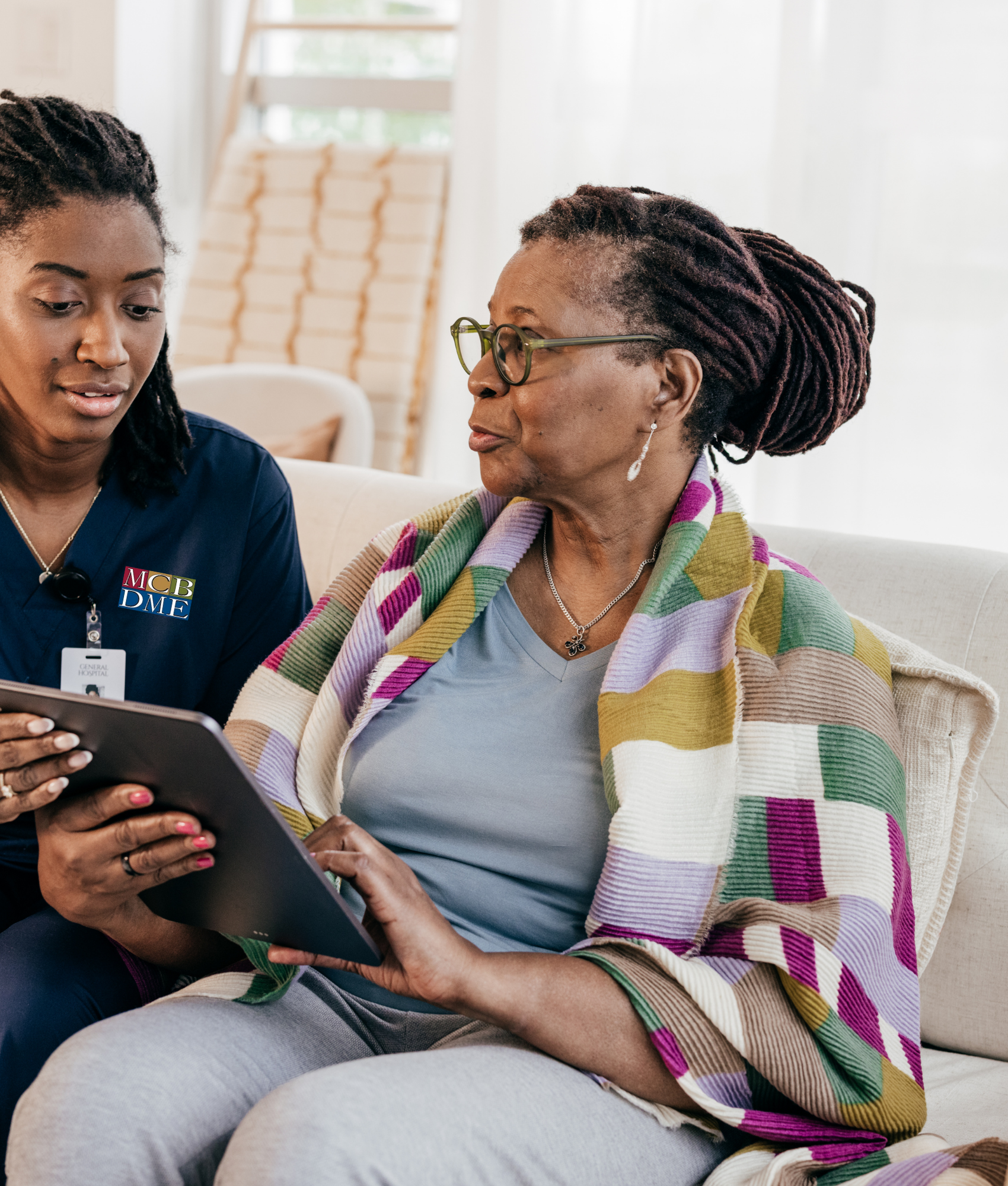
For ongoing management support, including compression garment fittings and lymphedema pump systems, the MCB DME team in Hawthorne, NJ is here to help. We work closely with certified lymphedema therapists, physical therapists, and physicians across Northern New Jersey to ensure patients have the right equipment at every stage of their journey.
Key Takeaways
Lymphedema is a chronic, progressive condition that responds best to consistent, daily self-management — not one-time treatment
Water therapy provides simultaneous hydrostatic compression, buoyancy-assisted movement, and thermal benefits that make it uniquely effective for lymphedema patients
Slow-paced aquatic exercise combined with diaphragmatic breathing shows the strongest evidence for limb volume reduction
An anti-inflammatory, Mediterranean-style diet reduces the inflammatory burden that drives lymphedema progression
Reducing sodium, eliminating ultra-processed foods, and staying well-hydrated are the most impactful dietary changes most patients can make
Weight management is one of the strongest modifiable factors in lymphedema severity, and both water exercise and dietary changes support it
No wellness strategy replaces compression therapy and professional medical care — these work together, not in isolation
Start Your Lymphedema Wellness Journey Today
The journey of lymphedema management is one you don't have to walk alone. At MCB DME, we specialize in compression garments, lymphedema pump systems, and the patient education that helps people in Northern New Jersey live well with chronic conditions. Our team handles all insurance verification and paperwork so you can focus on what matters — building the daily habits that support your health.
Contact MCB DME today to schedule a consultation or learn more about our lymphedema products and services.
This article is intended for educational purposes only and does not constitute medical advice, diagnosis, or treatment. Always consult a licensed healthcare provider before beginning any new exercise program, dietary change, or treatment protocol. Individual results vary. Insurance coverage depends on your specific plan and provider.
Related Reading: