Why Are My Legs Fat? Understanding Leg Swelling, Lipedema, and Treatment Options
If you've ever looked down at your legs and wondered why they seem disproportionately large or swollen compared to the rest of your body, you're not alone. This concern affects millions of people, particularly women, and the answer is often more complex than simply "carrying extra weight." Understanding why your legs appear or feel "fat" requires looking at several potential medical conditions, lifestyle factors, and treatment options that can help.
In this comprehensive guide, we'll explore the medical reasons behind disproportionate leg size, including lipedema, lymphedema, and venous insufficiency. We'll help you identify the signs and symptoms of each condition and discuss effective treatment options, including compression therapy and lymphedema pumps. By the end, you'll have the knowledge to take meaningful steps toward healthier, more comfortable legs.

Understanding the difference between normal anatomy, lipedema, and lymphedema is crucial for proper diagnosis
Understanding What "Fat Legs" Really Means
First, let's address the terminology. When people describe their legs as "fat," they're usually referring to one of several distinct issues: excessive fatty tissue accumulation, fluid retention (edema), or a combination of both. It's crucial to understand that not all leg enlargement is the same, and different causes require different approaches to treatment.
Many people assume that larger legs are simply a result of being overweight, but this isn't always accurate. Several medical conditions can cause disproportionate leg size regardless of overall body weight. Some women with lipedema, for instance, may have a normal-sized upper body but significantly enlarged legs and hips. Others might experience swelling that worsens throughout the day, indicating fluid retention rather than fat accumulation.
According to the Mayo Clinic, distinguishing between different types of leg enlargement is essential for proper diagnosis and treatment. Let's explore the most common causes.
Lipedema: The Often-Misdiagnosed Condition
Lipedema is a chronic condition characterized by the abnormal accumulation of fat cells, primarily in the legs, hips, and sometimes arms. Unlike regular weight gain, lipedema fat is resistant to diet and exercise, which is why many people with this condition struggle for years without understanding why traditional weight loss methods don't work.
What Is Lipedema?
Lipedema is a progressive disorder that almost exclusively affects women, typically appearing or worsening during hormonal changes such as puberty, pregnancy, or menopause. It's characterized by symmetrical enlargement of the legs (and sometimes arms) with a distinct sparing of the feet. This creates what's often described as a "column-like" appearance, with legs that seem to end abruptly at the ankles.
The condition affects an estimated 11% of women worldwide, yet it remains widely underdiagnosed and misunderstood. Many healthcare providers aren't familiar with lipedema, leading to years of misdiagnosis and inappropriate treatment recommendations.
Signs and Symptoms of Lipedema
Disproportionate Size: Your legs and possibly hips are significantly larger than your upper body, creating a distinct disproportion. You might wear a size small or medium on top but need much larger sizes for pants.
Symmetrical Enlargement: Both legs are affected equally. The enlargement is bilateral and symmetrical, unlike lymphedema which often affects one leg more than the other.
Feet Are Spared: Despite significant leg enlargement, your feet remain normal-sized. There's often a clear "cuff" or "bracelet" appearance at the ankles where the swelling stops.
Pain and Tenderness: The affected areas are often tender to touch, bruise easily, and may feel painful, especially with pressure or after standing for long periods.
Nodular or Lumpy Texture: The skin may have a dimpled, cottage cheese-like texture. You might feel small nodules or pearls under the skin.
Resistance to Diet and Exercise: Unlike typical weight gain, lipedema fat doesn't respond to caloric restriction or increased physical activity. The legs remain disproportionately large even with significant overall weight loss.
For more detailed information about lipedema diagnosis and staging, consult resources from the Lipedema Foundation.
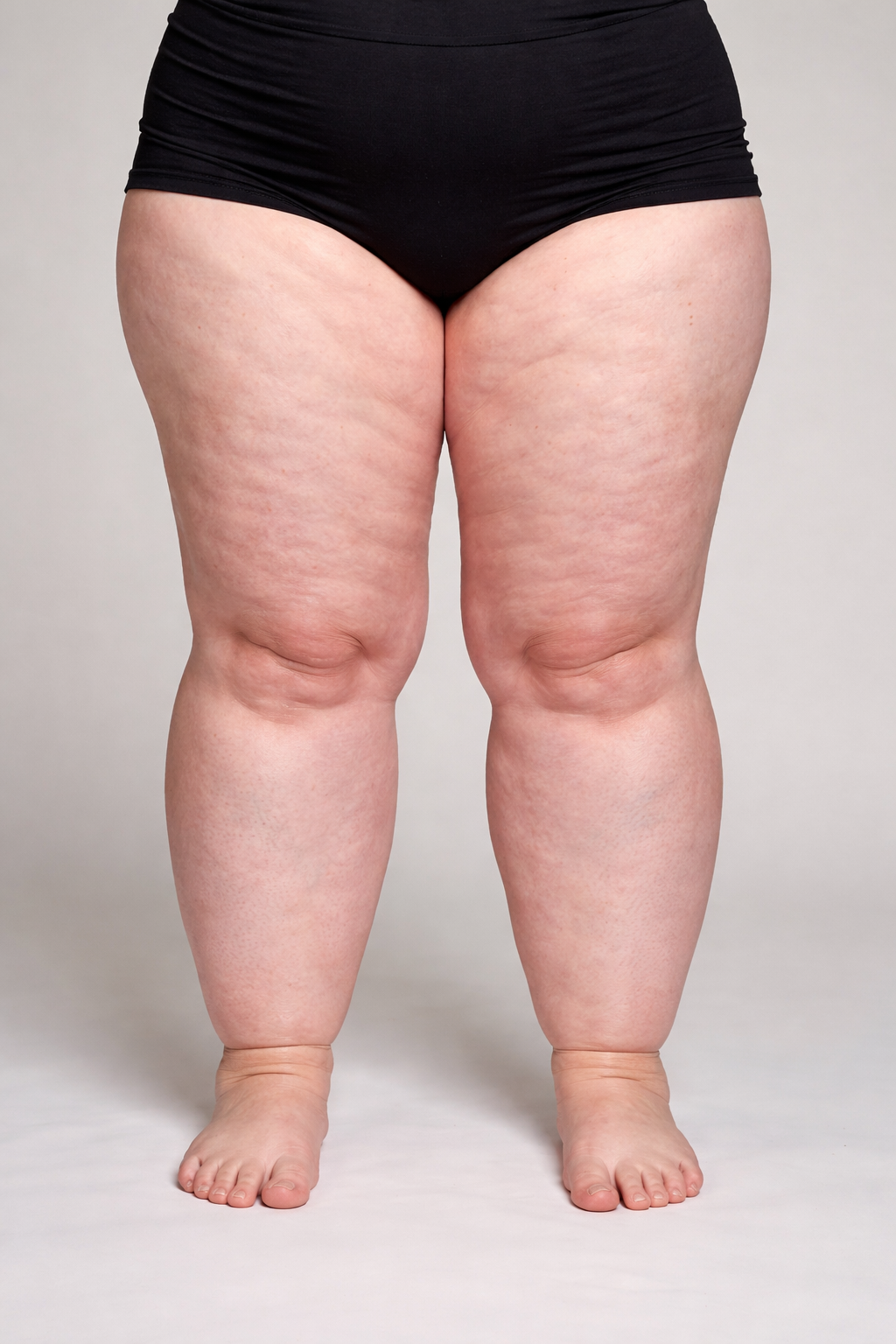
Lipedema typically shows symmetrical enlargement with characteristic sparing of the feet
Lymphedema: When Fluid Accumulation Causes Leg Enlargement
While lipedema involves abnormal fat accumulation, lymphedema is caused by impaired lymphatic drainage leading to fluid buildup in the tissues. This condition can make legs appear "fat" or swollen, but the underlying mechanism is entirely different.
Understanding Lymphedema
Lymphedema occurs when your lymphatic system cannot adequately drain lymph fluid, usually from your arms or legs. The condition can be primary (present from birth due to malformed lymphatic vessels) or secondary (developed due to damage to the lymphatic system from surgery, radiation, infection, trauma, or other conditions).
Secondary lymphedema is particularly common among cancer survivors who've undergone lymph node removal or radiation therapy. However, it can also develop from chronic venous insufficiency, infections, or obesity.
Signs and Symptoms of Lymphedema
Swelling That Includes the Feet: Unlike lipedema, lymphedema typically affects the entire leg including the feet and toes. You might notice your shoes becoming tighter or rings on your toes leaving indentations.
Often Asymmetrical: Lymphedema frequently affects one leg more than the other, especially in secondary lymphedema following surgery or injury.
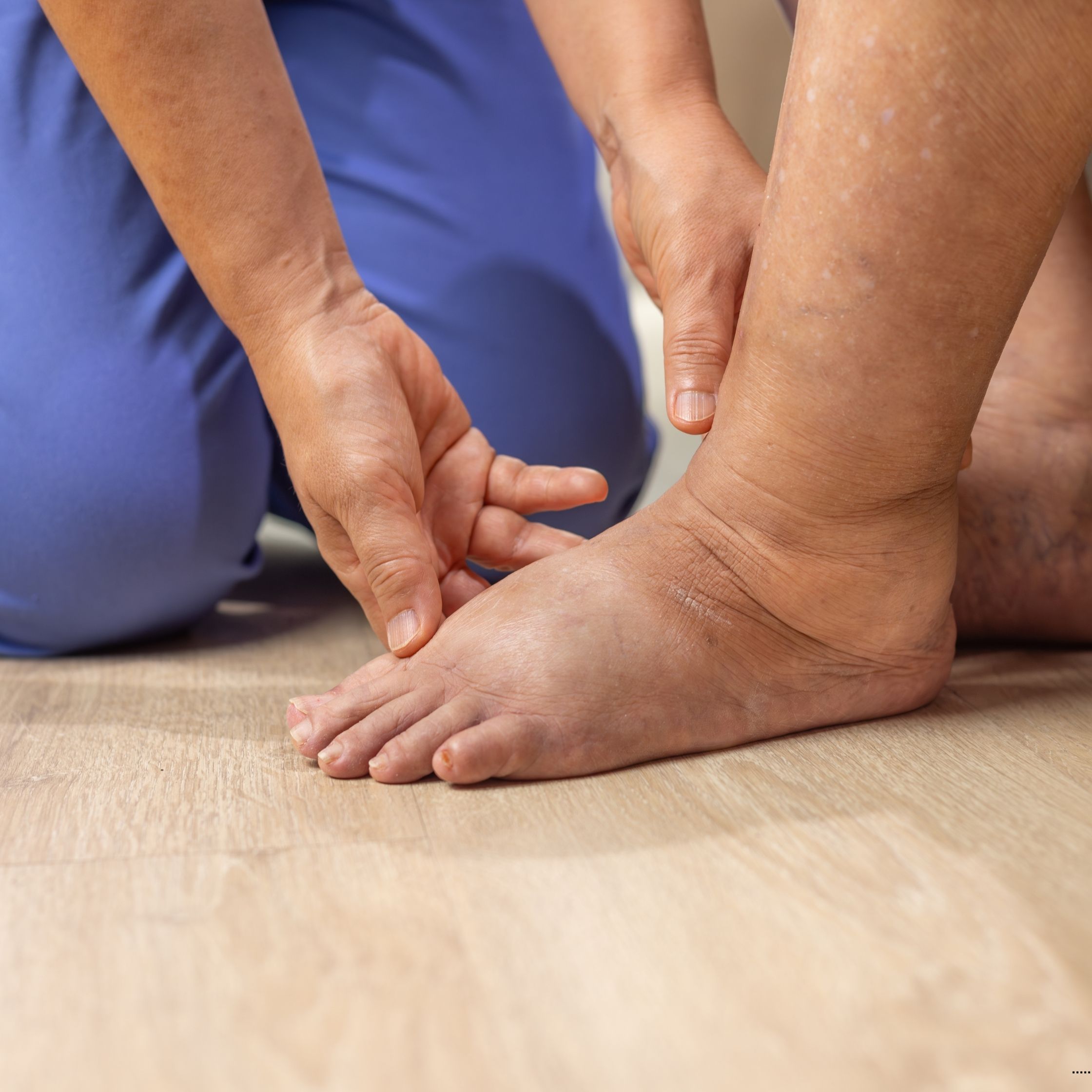
Pitting Edema :In early stages, pressing on the swollen area leaves an indentation that takes several seconds to disappear. This is called pitting edema.
Feeling of Heaviness: The affected leg feels heavy, tight, or full. Movement may be restricted, and the leg may ache, especially at the end of the day.
Skin Changes: Over time, the skin may become thickened, hardened, or develop a leathery texture. Recurrent infections (cellulitis) are common in untreated lymphedema.
Positive Stemmer's Sign: Inability to pinch and lift a fold of skin at the base of the second toe is a classic indicator of lymphedema.
The Lymphatic Education & Research Network provides comprehensive resources on lymphedema diagnosis, staging, and management.

The pitting test helps distinguish lymphedema from other causes of leg enlargement
Read our complete guide to understanding and managing lymphedema here.
Venous Insufficiency: When Poor Circulation Causes Swelling
Chronic venous insufficiency (CVI) is another common cause of leg enlargement that's often overlooked. This condition occurs when the valves in your leg veins don't work properly, causing blood to pool in your lower legs rather than efficiently returning to your heart.
What Is Chronic Venous Insufficiency?
Your leg veins contain one-way valves that help blood flow upward against gravity back to your heart. When these valves become damaged or weakened, blood can flow backward and accumulate in your legs. This backward flow and pooling of blood increases pressure in the veins, leading to swelling, discomfort, and eventually skin changes.
CVI affects approximately 40% of Americans and becomes more common with age. Risk factors include prolonged standing or sitting, pregnancy, obesity, family history, and previous blood clots.
Recognizing Venous Insufficiency
Swelling That Worsens During the Day: Your legs may be relatively normal in the morning but become progressively more swollen as the day goes on, especially after standing or sitting for long periods.
Varicose Veins: Enlarged, twisted veins visible just under the skin's surface are a hallmark of venous insufficiency.
Skin Changes: The skin on your lower legs may become discolored (brown or reddish), itchy, or develop a leathery texture. Some people develop venous stasis dermatitis.
Aching and Heaviness: A dull ache or feeling of heaviness in the legs that improves with elevation or movement.
Leg Cramps: Particularly at night, you might experience cramping or restless legs.
Slow-Healing Wounds: In advanced cases, ulcers may develop, typically around the ankles. These venous ulcers are notoriously slow to heal.
According to the National Heart, Lung, and Blood Institute, early treatment of venous insufficiency can prevent progression and complications.
Other Contributors to Leg Enlargement
While lipedema, lymphedema, and venous insufficiency are the primary medical conditions causing disproportionate leg size, several other factors can contribute to the appearance of "fat legs."
Hormonal Factors
Hormonal changes during menstruation, pregnancy, or menopause can cause temporary fluid retention and leg swelling. Some women notice their legs feel significantly fuller and heavier during certain times of their menstrual cycle. While this is usually temporary, chronic hormonal imbalances can contribute to persistent swelling.
Medication Side Effects
Certain medications commonly cause leg swelling, including calcium channel blockers (blood pressure medications), NSAIDs, some diabetes medications, hormones (including birth control and hormone replacement therapy), and some antidepressants. If you suspect your medication is causing leg swelling, consult your healthcare provider before making any changes.
Lifestyle and Dietary Factors
Prolonged sitting or standing, high sodium intake, inadequate water consumption, and lack of physical activity can all contribute to fluid retention and leg swelling. While these factors alone might not cause the dramatic disproportionate enlargement seen in lipedema, they can exacerbate existing conditions.
General Obesity
Carrying excess weight throughout your body naturally means larger legs as well. However, if your legs are disproportionately large compared to your upper body, or if they don't respond to overall weight loss, you may be dealing with lipedema or another specific condition rather than simple obesity.

Multiple factors can contribute to leg enlargement, requiring proper diagnosis for effective treatment
Getting an Accurate Diagnosis
If you're concerned about your leg size or experiencing symptoms beyond simple weight gain, it's essential to seek professional medical evaluation. Many conditions that cause disproportionate leg enlargement are underdiagnosed, and getting the right diagnosis is the first step toward effective treatment.
When to See a Healthcare Provider
Schedule an appointment if you experience:
Legs that are significantly disproportionate to your upper body
Swelling that doesn't improve with rest, elevation, or weight loss
One leg swelling more than the other
Pain, tenderness, or easy bruising in your legs
Skin changes including discoloration, thickening, or wounds
Restricted movement or difficulty walking due to leg size
Sudden increase in leg swelling, especially with chest pain or breathing difficulty
What to Expect During Evaluation
A thorough evaluation for leg enlargement typically includes a detailed medical history, physical examination, and potentially imaging studies. Your healthcare provider will assess the pattern of enlargement, check for pitting edema, examine your skin, and evaluate your vascular system. They may order ultrasound imaging to rule out blood clots and assess your venous system, lymphoscintigraphy to evaluate lymphatic function, or other tests depending on suspected causes.
Because lipedema is still underrecognized in mainstream medicine, you may need to specifically ask about this condition or seek a specialist familiar with lipedema and lymphedema diagnosis.
Treatment Options for Large or Swollen Legs
The good news is that effective treatments exist for most causes of leg enlargement. The key is matching the treatment to your specific condition. Here's a comprehensive overview of available options.
Compression Therapy: A Cornerstone of Treatment
Compression therapy is one of the most effective treatments for both lymphedema and venous insufficiency, and it can provide significant relief for lipedema as well. Medical-grade compression garments apply graduated pressure to your legs, helping move fluid upward and preventing further accumulation.
Compression Stockings: These specialized garments come in various compression levels (15-20 mmHg for mild cases, 20-30 mmHg for moderate, and 30-40+ mmHg for severe conditions). They should be fitted by a professional to ensure proper sizing and effectiveness.
Compression Wraps: Multi-layer bandaging systems provide adjustable compression and are particularly useful during intensive treatment phases or when swelling varies significantly.
Pneumatic Compression Devices (Lymphedema Pumps)
Lymphedema pumps, also called pneumatic compression devices, have become increasingly important in managing leg swelling. These devices use inflatable garments connected to a pump that applies sequential, graduated compression to massage your legs and promote fluid drainage.
Modern lymphedema pumps offer several advantages: they're easy to use at home, provide consistent therapeutic compression, can reach areas difficult to treat manually, and work well in combination with other therapies. Treatment sessions typically last 30-60 minutes, and most people use their pump once or twice daily for optimal results.
Research shows that regular use of pneumatic compression significantly reduces swelling, improves comfort, prevents complications, and enhances quality of life for people with lymphedema and venous insufficiency. According to studies indexed in the National Library of Medicine, pneumatic compression therapy demonstrates consistent effectiveness across various patient populations.

Lymphedema pumps provide convenient, effective treatment in the comfort of your home
Explore our selection of FDA-cleared lymphedema pumps for home use
Complete Decongestive Therapy (CDT)
For lymphedema, the gold standard treatment is Complete Decongestive Therapy, which combines manual lymphatic drainage (specialized massage), compression therapy, exercises, and skin care. CDT is typically provided by certified lymphedema therapists and is most effective when used consistently.
Lifestyle Modifications
Exercise: Regular low-impact activity like walking, swimming, or cycling helps pump fluid through your lymphatic system and improves venous return. Even gentle movement is beneficial.
Elevation: Raising your legs above heart level for 15-30 minutes several times daily helps reduce swelling by allowing gravity to assist drainage.
Weight Management: While lipedema fat is resistant to diet and exercise, maintaining a healthy weight prevents additional strain on your lymphatic and venous systems.
Skin Care: Keeping skin clean, moisturized, and protected prevents infections that can worsen lymphedema.
Dietary Changes: Reducing sodium intake and staying well-hydrated helps minimize fluid retention.
Medical and Surgical Options
For severe cases or when conservative treatments aren't sufficient, several medical interventions may be considered:
Liposuction for Lipedema: Specialized tumescent liposuction can remove lipedema fat and provide long-lasting reduction in leg size. This is performed by surgeons experienced in lipedema treatment.
Vein Procedures: For venous insufficiency, treatments like endovenous ablation, sclerotherapy, or vein stripping can repair or remove problematic veins.
Lymphatic Surgery: In select cases of lymphedema, surgical options like lymphovenous anastomosis or vascularized lymph node transfer may be appropriate.
Living Well With Large Legs: Practical Tips
Regardless of the cause of your leg enlargement, several strategies can improve your comfort and confidence:
Find Proper Fitting Clothing: Look for brands that offer different sizing for tops and bottoms. Stretchy, breathable fabrics are often more comfortable than restrictive materials.
Choose Supportive Footwear: Proper shoes with good arch support can reduce strain on your legs and improve circulation.
Stay Active: Find forms of movement you enjoy. Water-based exercises are particularly beneficial as they provide natural compression.
Connect With Others: Online communities and support groups for lipedema, lymphedema, and venous disease can provide emotional support and practical advice.
Advocate for Yourself: Don't hesitate to seek second opinions or specialists if you feel your concerns aren't being adequately addressed.

Low-impact exercise like swimming provides natural compression while improving lymphatic flow
Taking the Next Step
If you've been asking yourself "Why are my legs fat?" and the answer seems more complex than simple weight gain, you now have a framework for understanding the possible causes. Whether you're dealing with lipedema, lymphedema, venous insufficiency, or another condition, effective treatments exist that can significantly improve your comfort, mobility, and quality of life.
The most important step is seeking proper diagnosis from healthcare providers who understand these conditions. Don't accept dismissive responses or assume you simply need to lose weight if your symptoms don't fit that explanation. Lipedema, in particular, is a legitimate medical condition that requires specific treatment approaches.
Modern treatment options, including compression therapy and lymphedema pumps, make it possible to manage these conditions effectively at home. Many people experience dramatic improvements in swelling, pain, and mobility with consistent treatment. The key is finding the right combination of therapies for your specific situation and committing to long-term management.
Remember, you're not alone in this journey. Millions of people live with these conditions, and an increasing number of healthcare providers are becoming educated about proper diagnosis and treatment. With the right support, information, and treatment plan, you can take control of your leg health and improve your overall well-being.
Your legs deserve proper care and attention. Take that first step today—your future self will thank you.
Medical Disclaimer: This article is for informational purposes only and is not intended to replace professional medical advice, diagnosis, or treatment. Always consult with qualified healthcare providers regarding your lymphedema management plan.